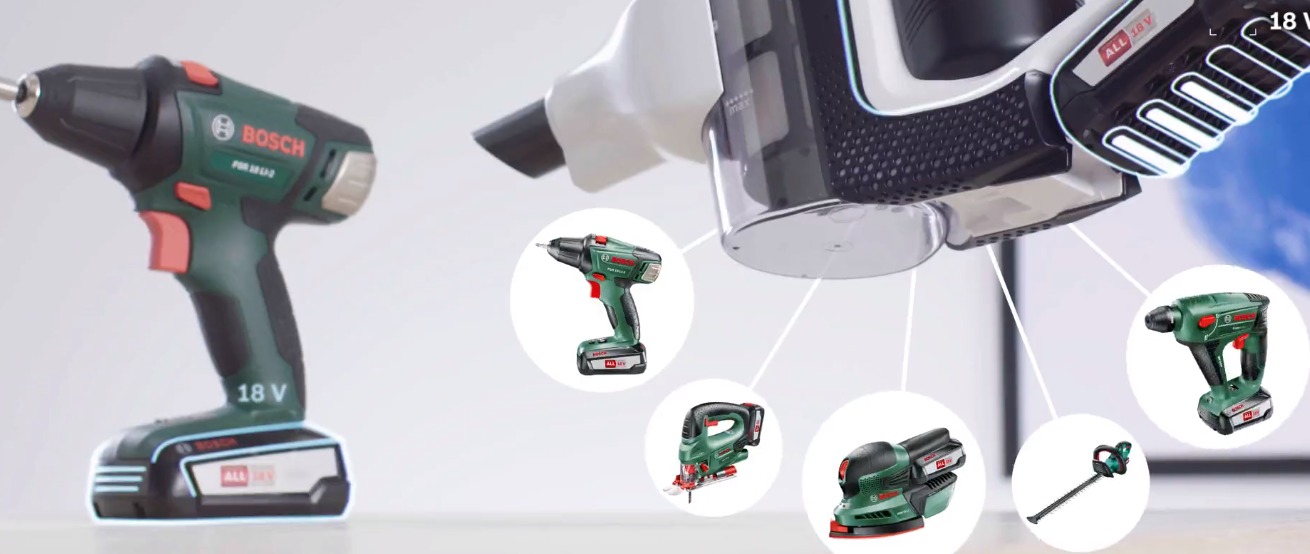
- Bosch treats dust extraction as part of a professional tool system rather than a standalone vacuum category.
- The same 18V battery platform can support portable cleaning, tool-connected extraction and regulated dust-control applications.
- Buyers still need to verify dust class, battery inclusion, regional part number and the company responsible for service on each SKU.
In this article 5 sections
Bosch Professional’s cordless dust extractors sit between two product categories. They can clean a jobsite like a vacuum, but their commercial value comes from working with drills, saws, grinders and other tools that generate dust at the point of use.
That distinction changes how professional buyers should compare them. Suction figures matter, but so do battery compatibility, dust class, hose and tool interfaces, filter cleaning, accessories and local service.
One battery platform, several dust-control jobs
The PRO GAS 18V-10 L is an 18V wet-and-dry extractor with a 10-litre gross container. Bosch lists a maximum turbine airflow of 34 litres per second, maximum vacuum pressure of 115 mbar and a runtime reference of four minutes per amp-hour. The product is rated for L-class dust under European standards and is compatible with Bosch’s Click & Clean interface.
This gives the machine two roles. It can remove loose debris with floor, crevice and pipe accessories, and it can connect to compatible Bosch tools to capture dust while work is taking place.
Bosch’s newer PRO GAS 18V-12 MC moves further into regulated dust management. The company positions it as an M-class extractor for dust from concrete, brick, filler, plaster and tile cement. It adds a brushless motor, a larger filter, cyclone technology, an antistatic hose and an Auto-Start function that can detect vibration from a paired tool.
The progression from the GAS 18V-10 L to the GAS 18V-12 MC shows why this category cannot be evaluated as a range of cordless household vacuums. Dust classification and tool integration determine which work environments a product can support.
The accessory is part of the system
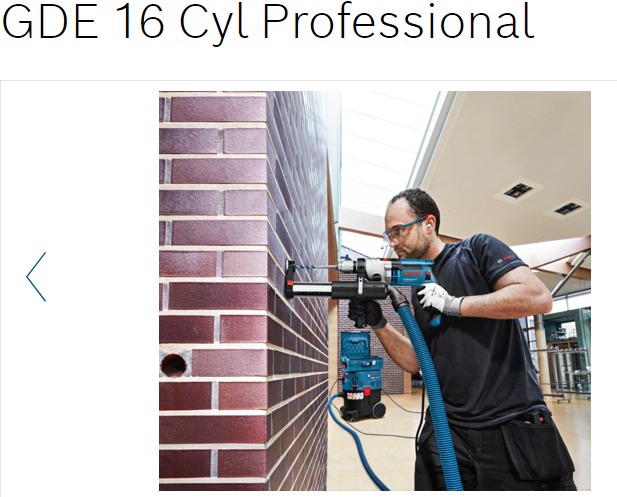
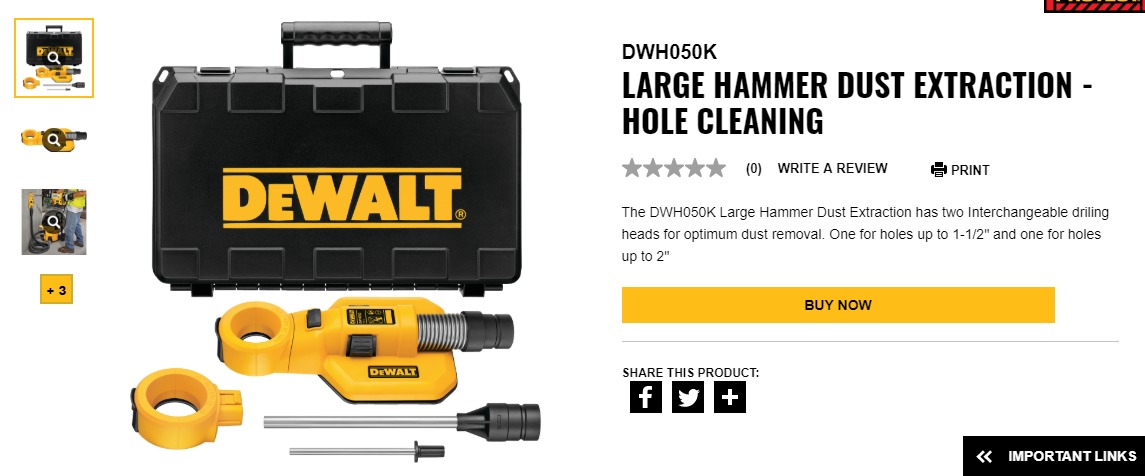
Bosch also sells extraction attachments such as the GDE range for drilling and demolition applications. These accessories capture dust near the bit or working surface instead of relying only on cleanup after the job.
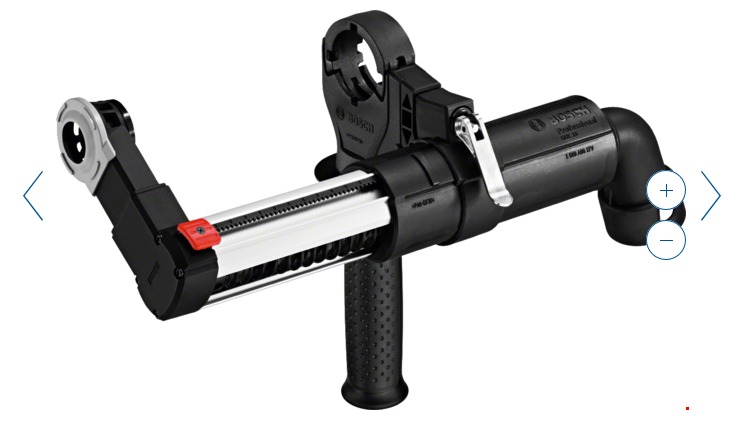
For a distributor, this creates a system sale:
- the power tool;
- the compatible dust attachment or hose;
- the extractor;
- the battery and charger;
- filters, bags and replacement accessories;
- service and compliance support.
The commercial logic is closer to a professional tool platform than a single cleaning appliance. Once a contractor owns batteries, chargers and compatible tools, the cost of adding an extractor is lower and the value of staying inside the system increases.
AMPShare extends the compatibility argument
Bosch says its Professional 18V batteries are compatible with the AMPShare multi-brand alliance. AMPShare covers Bosch Professional tools and products from participating specialist brands, allowing users to reduce the number of battery and charger systems they manage.
That compatibility does not make Bosch responsible for every AMPShare product. Bosch’s own FAQ states that warranty and service depend on the company identified on the product’s type plate and brand label. Buyers therefore need to separate battery compatibility from the legal entity responsible for the tool.
What professional buyers should verify
The Bosch name alone is not enough to define a dust-management offer. Before listing or purchasing a model, buyers should confirm:
- Exact part number and market. Bosch uses regional product variants and bundles. A battery, charger, hose or accessory shown in one market may not be included in another.
- Dust class. L-class and M-class products are not interchangeable for every workplace requirement. The intended dust and local occupational rules must match the product documentation.
- Battery and charger compatibility. Confirm whether the SKU is a bare tool and which Professional 18V or AMPShare batteries are approved.
- Tool connection. Check the hose diameter, adapter and Click & Clean compatibility for the exact drill, saw or grinder.
- Consumables and service. Filters, bags, hoses and replacement parts affect the lifetime value of the system.
- Responsible company. Warranty and service follow the brand and entity on the type plate, even when products share the AMPShare battery platform.
Bosch’s cordless dust extractors illustrate how cleaning functions are being absorbed into professional battery ecosystems. The advantage is not cordless operation by itself. It is the ability to connect extraction, cleanup, tools, batteries and service into one working system.
Buyers researching the company boundary behind this platform can also read the World Clean Biz analysis of who owns Bosch Power Tools.
Sources
- PRO GAS 18V-10 L Cordless Dust Extractor — Bosch Professional.
- PRO GAS 18V-12 MC Cordless Dust Extractor — Bosch Professional.
- Cordless Dust Extractors — Bosch Professional.
- AMPShare battery alliance — Bosch Professional.