- AWE revealed a market shifting from traditional vacuums to cordless, smart and robotic cleaning products.
- Chinese brands were already testing sensors, AI positioning and new product formats.
- The show also exposed how difficult product localization would be for overseas brands entering China.
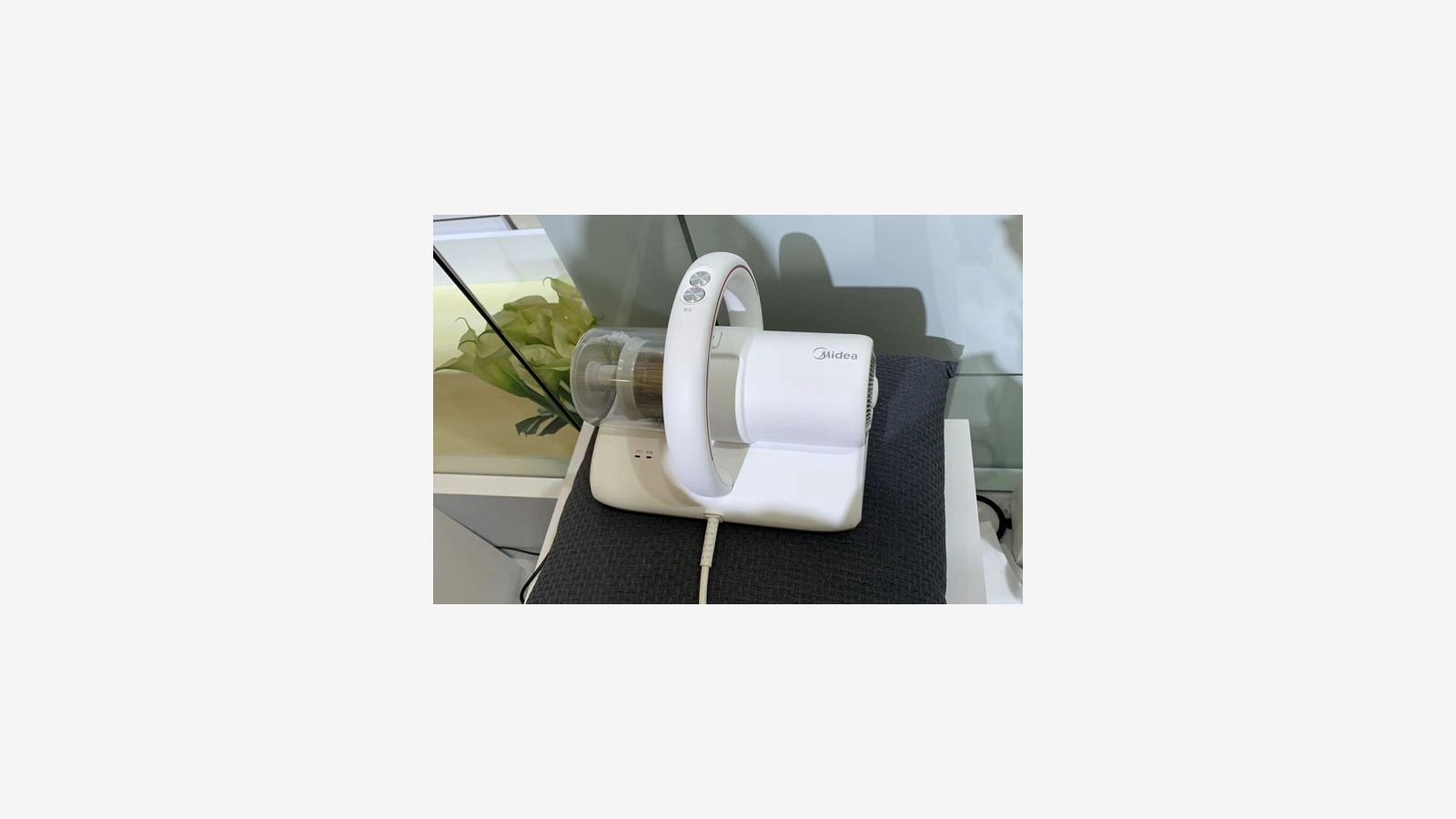
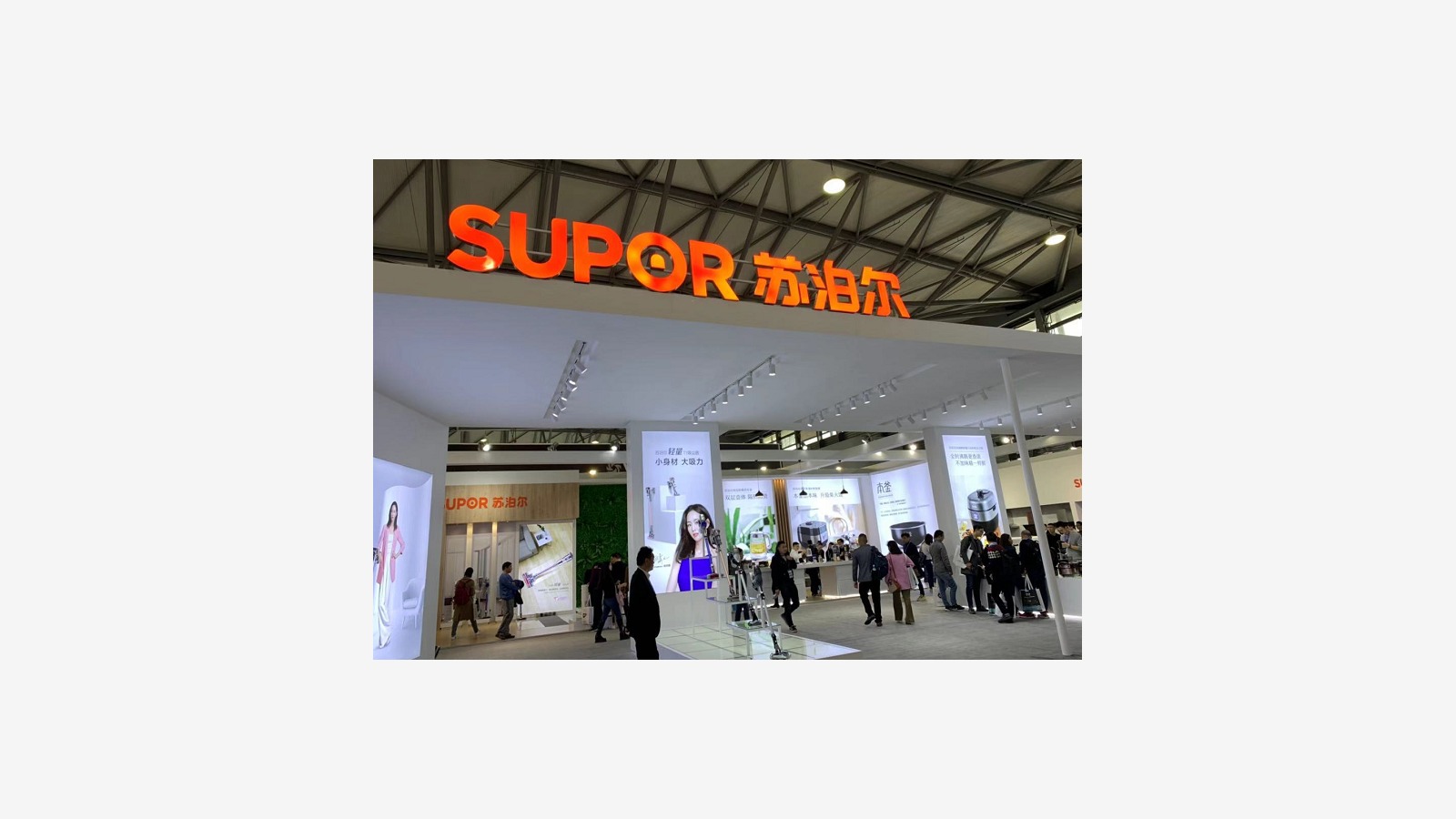
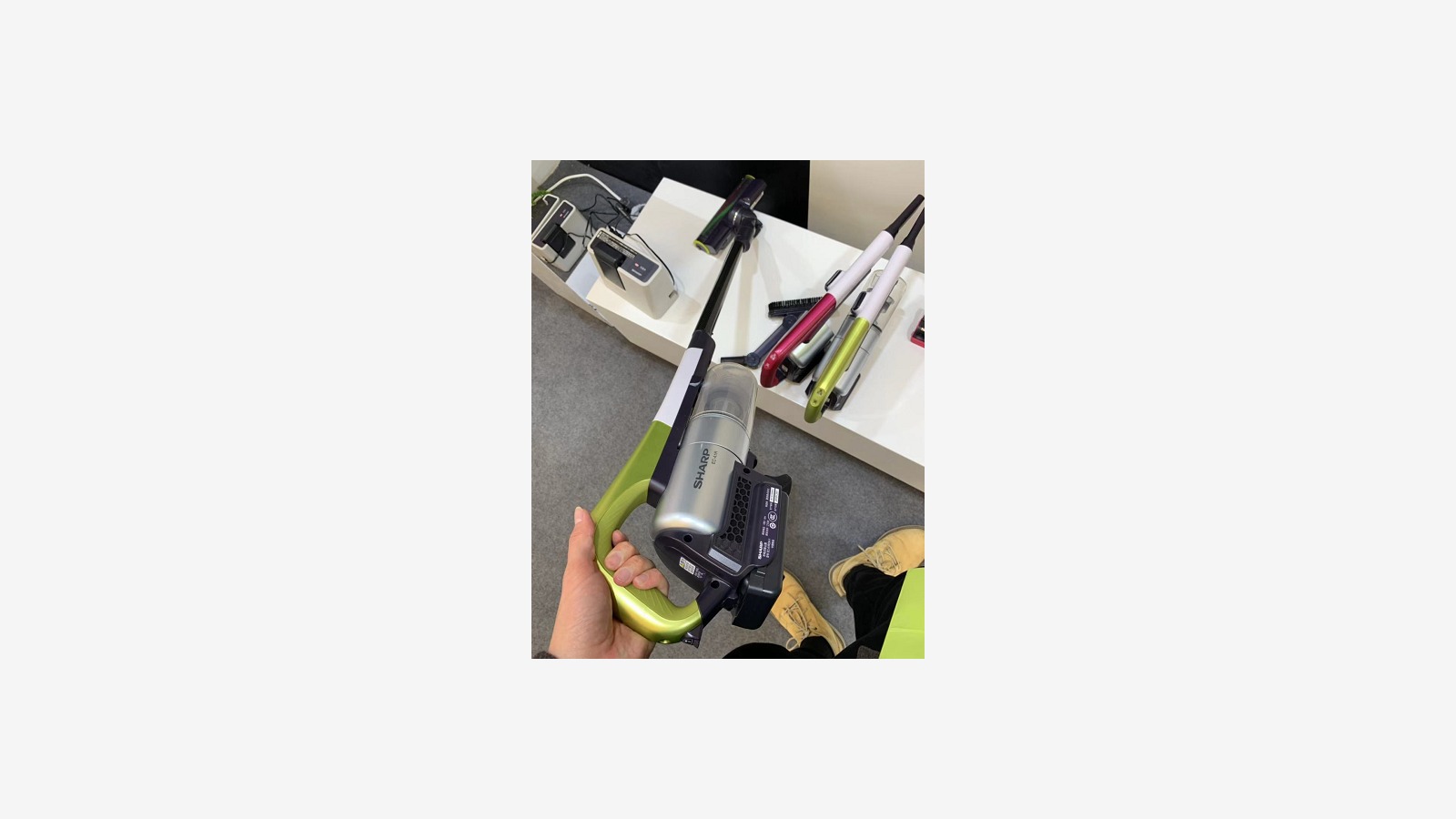
AWE is useful because it shows not only what companies want to sell, but also what they believe the industry is becoming. In the cleaning appliance area, the signal was clear: the market was moving from traditional vacuums toward cordless products, robot vacuums, sensors and early smart cleaning concepts.
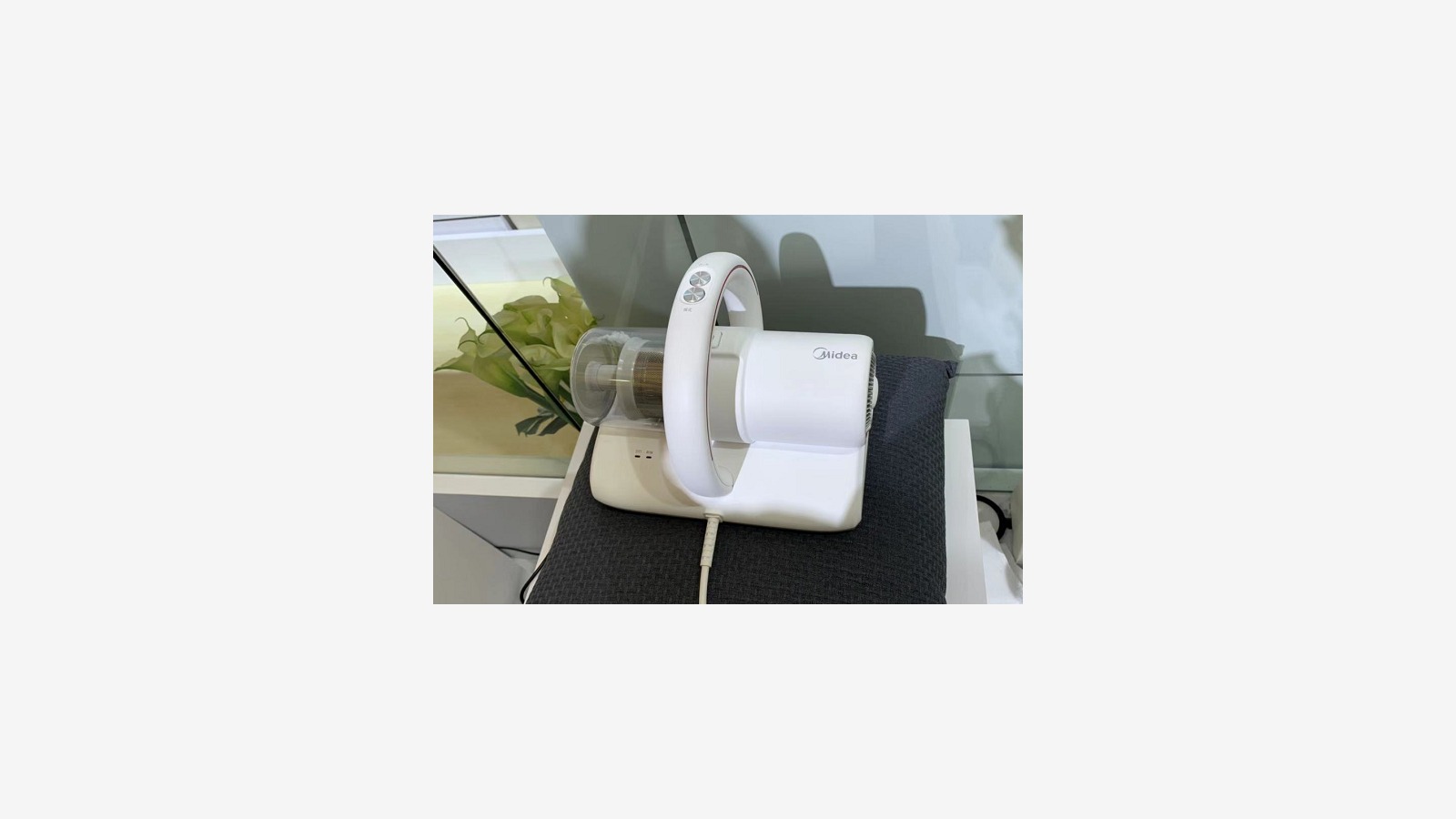
Midea: Scale First
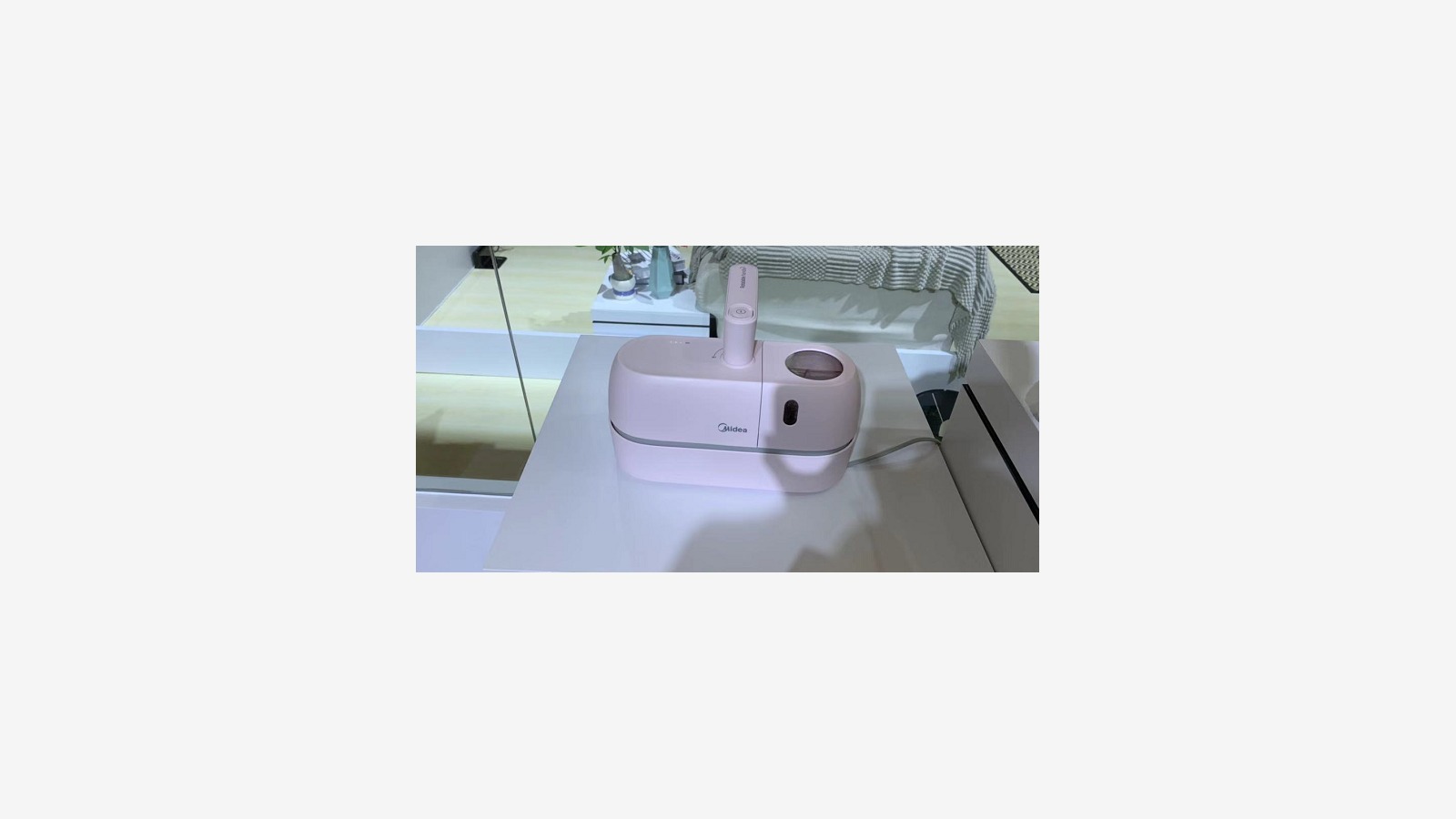
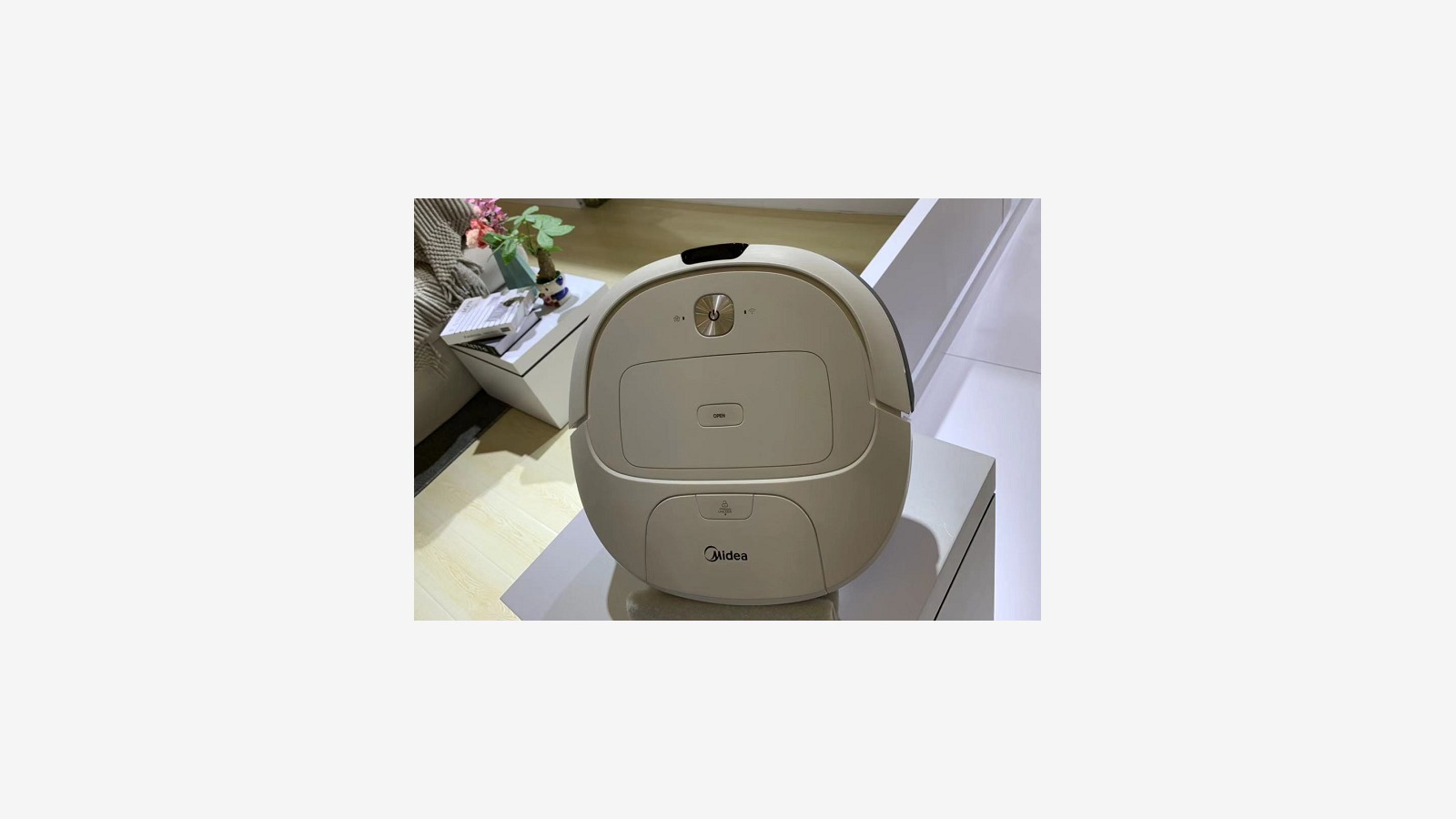
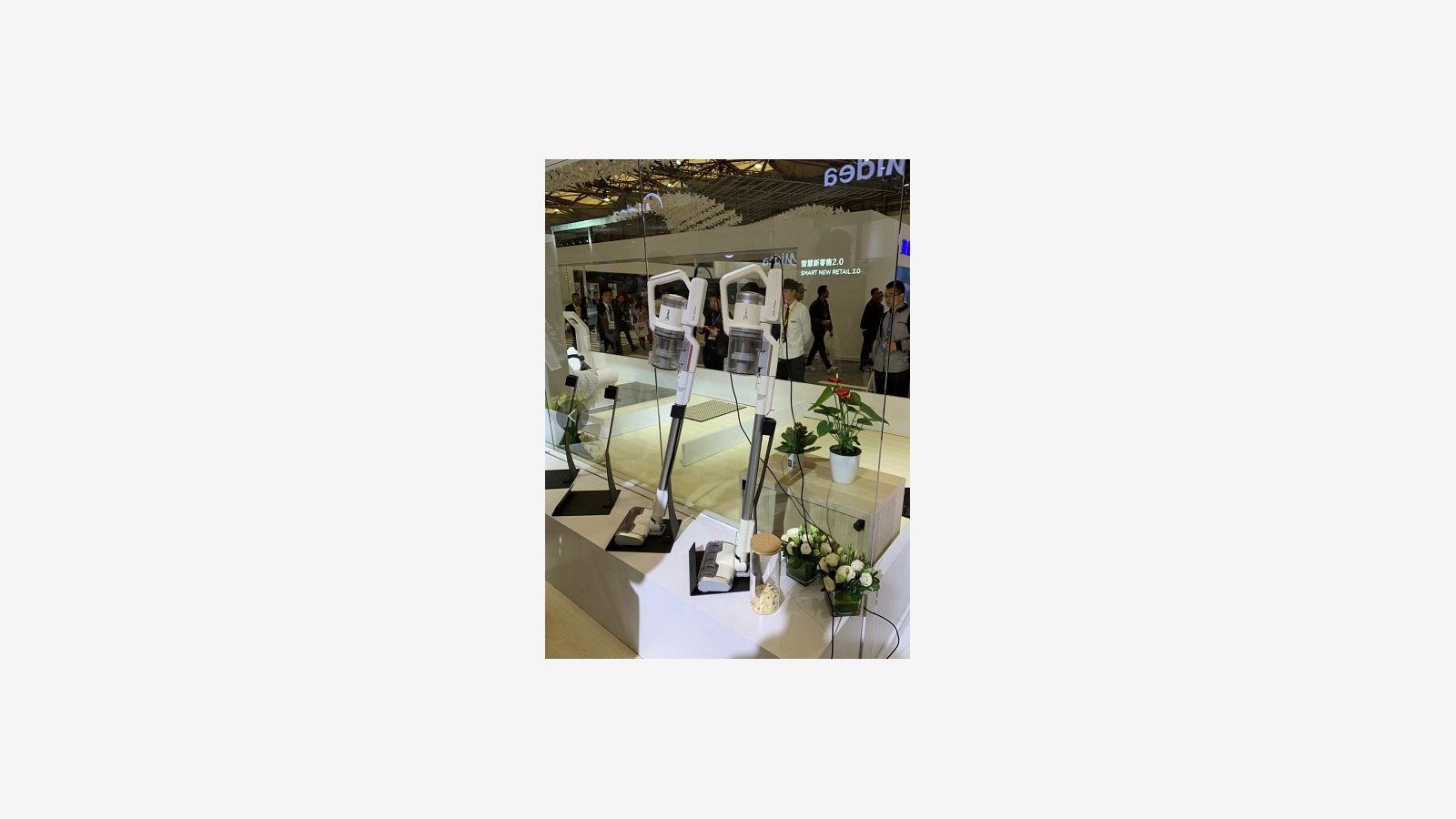
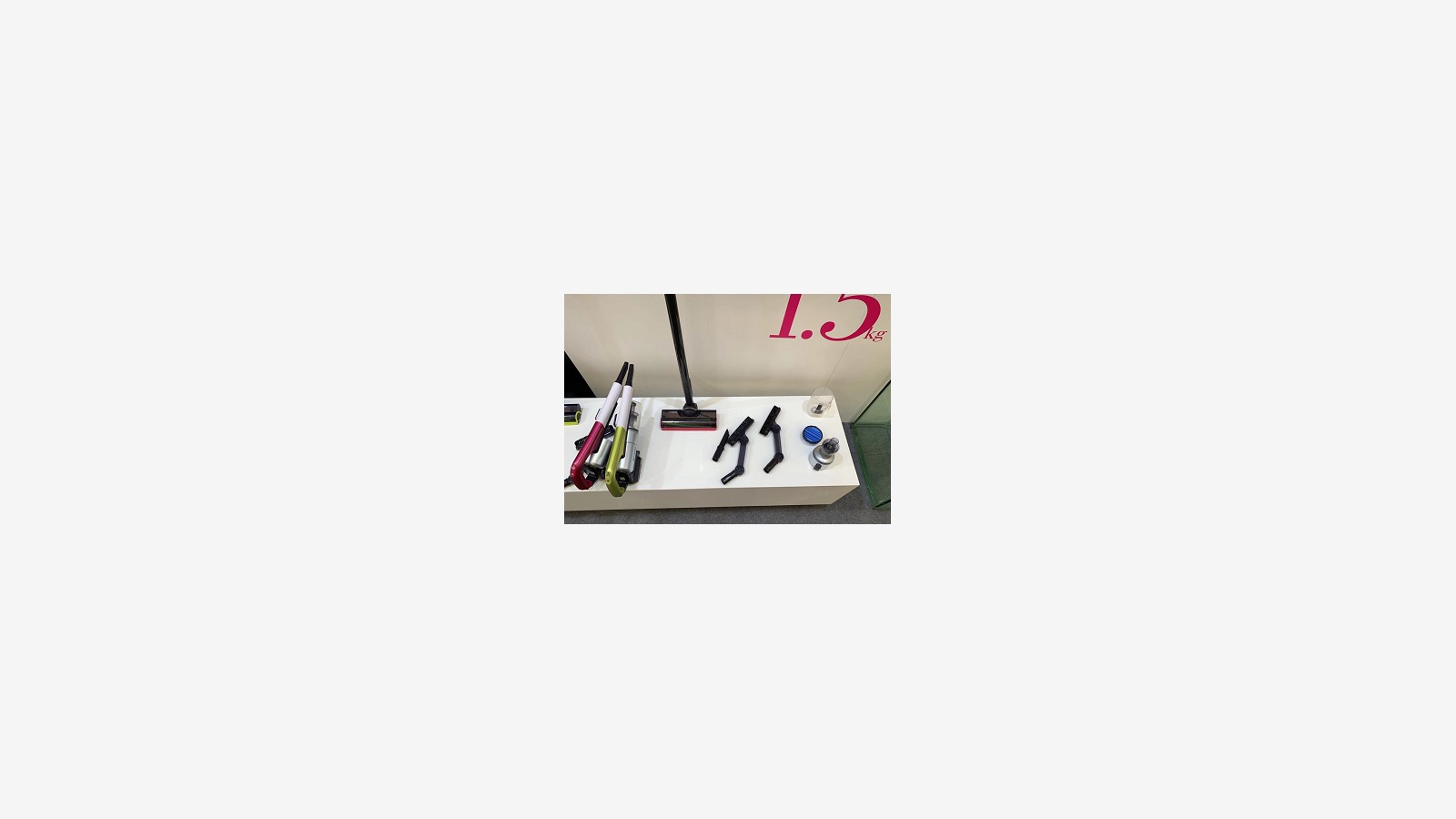
Midea’s booth showed the advantage of a large appliance group. The company could invest heavily in exhibition presence and product coverage. In cleaning appliances, it displayed mite removers, a robot vacuum and cordless vacuum products. The message was not that Midea had already become a cleaning leader, but that large appliance groups had started to take the category seriously.
Kingclean and the Question of Direction
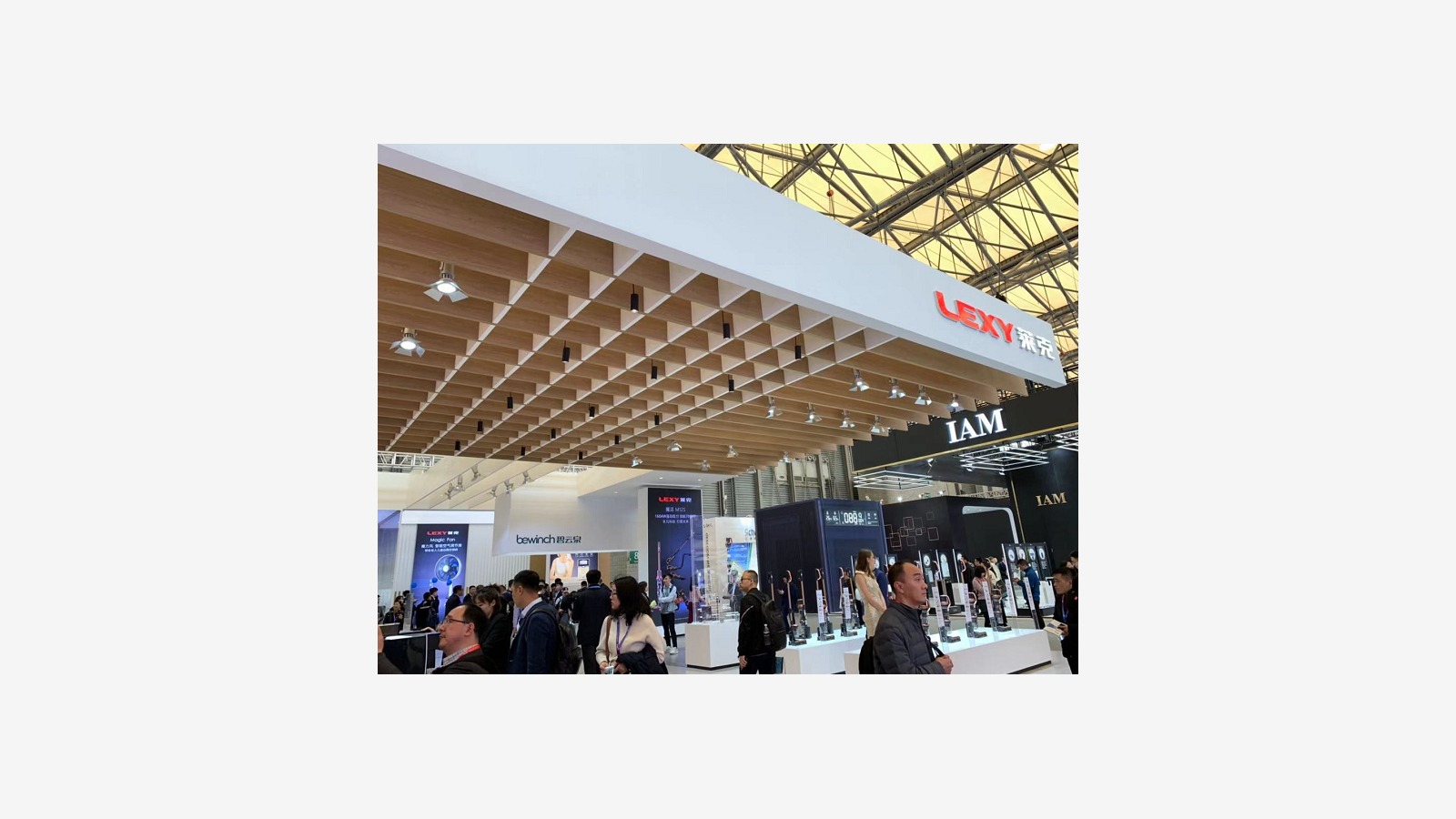
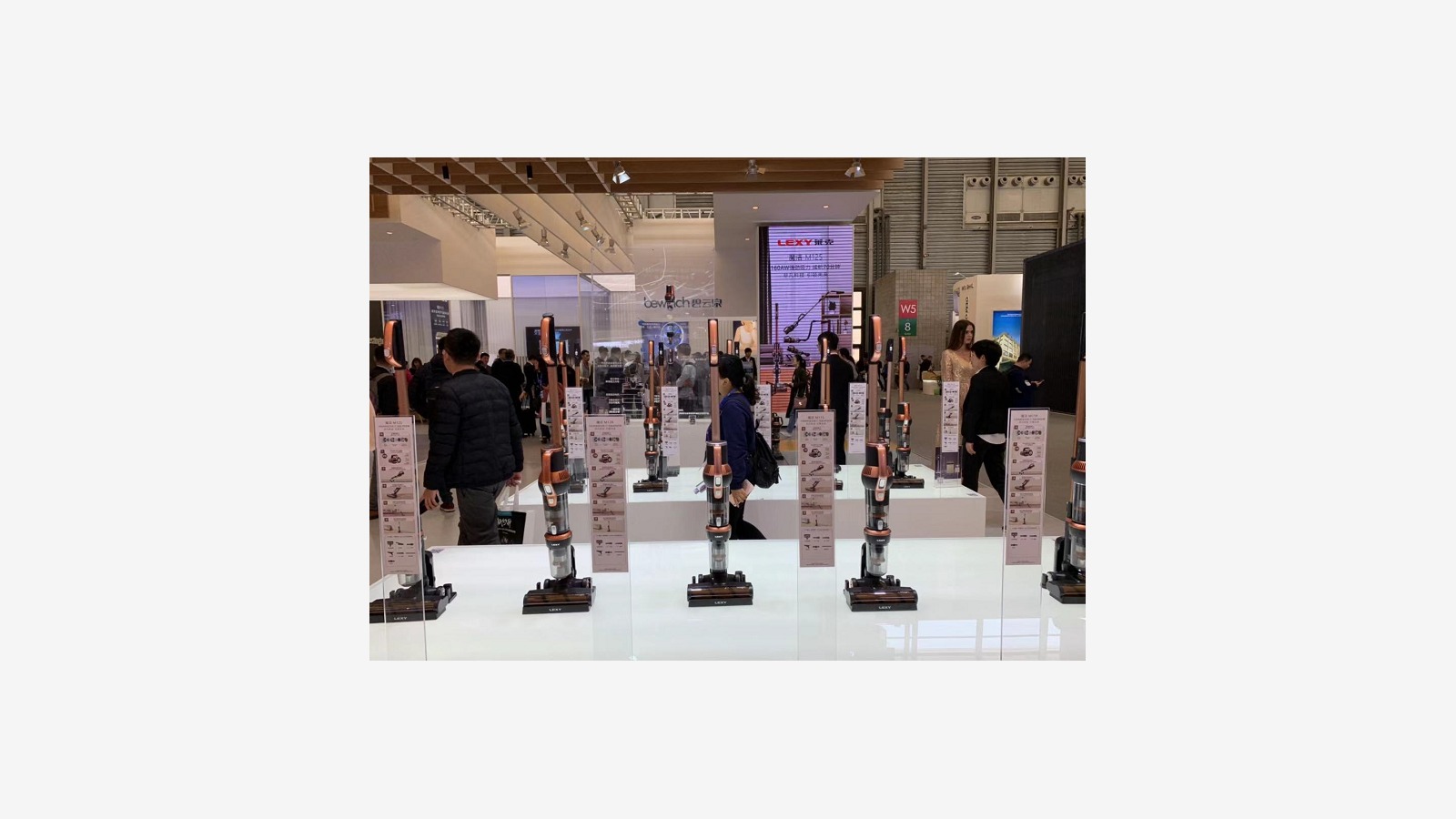
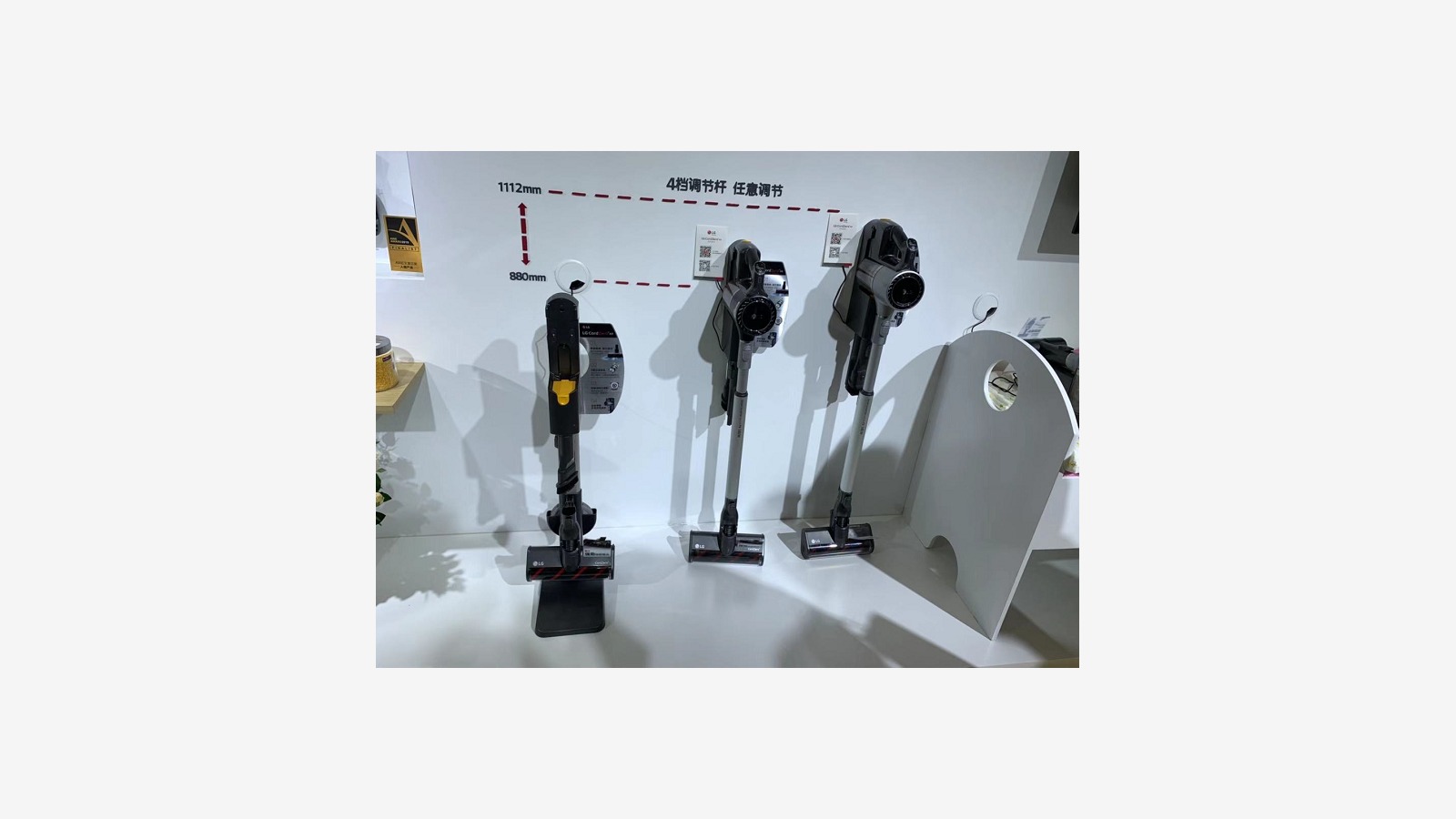
Kingclean continued to promote its Magic series and upright cordless vacuum direction. The product investment was visible, but the strategic question remained: was the upright stick format still the right direction for China’s fast-changing market?
At that time, the industry was already moving toward lighter cordless vacuums, robot vacuums and later hard floor washers. If a company puts too much energy into the wrong format, strong execution can become a burden.
Ecovacs and Tineco: Early Signs of Smart Cleaning
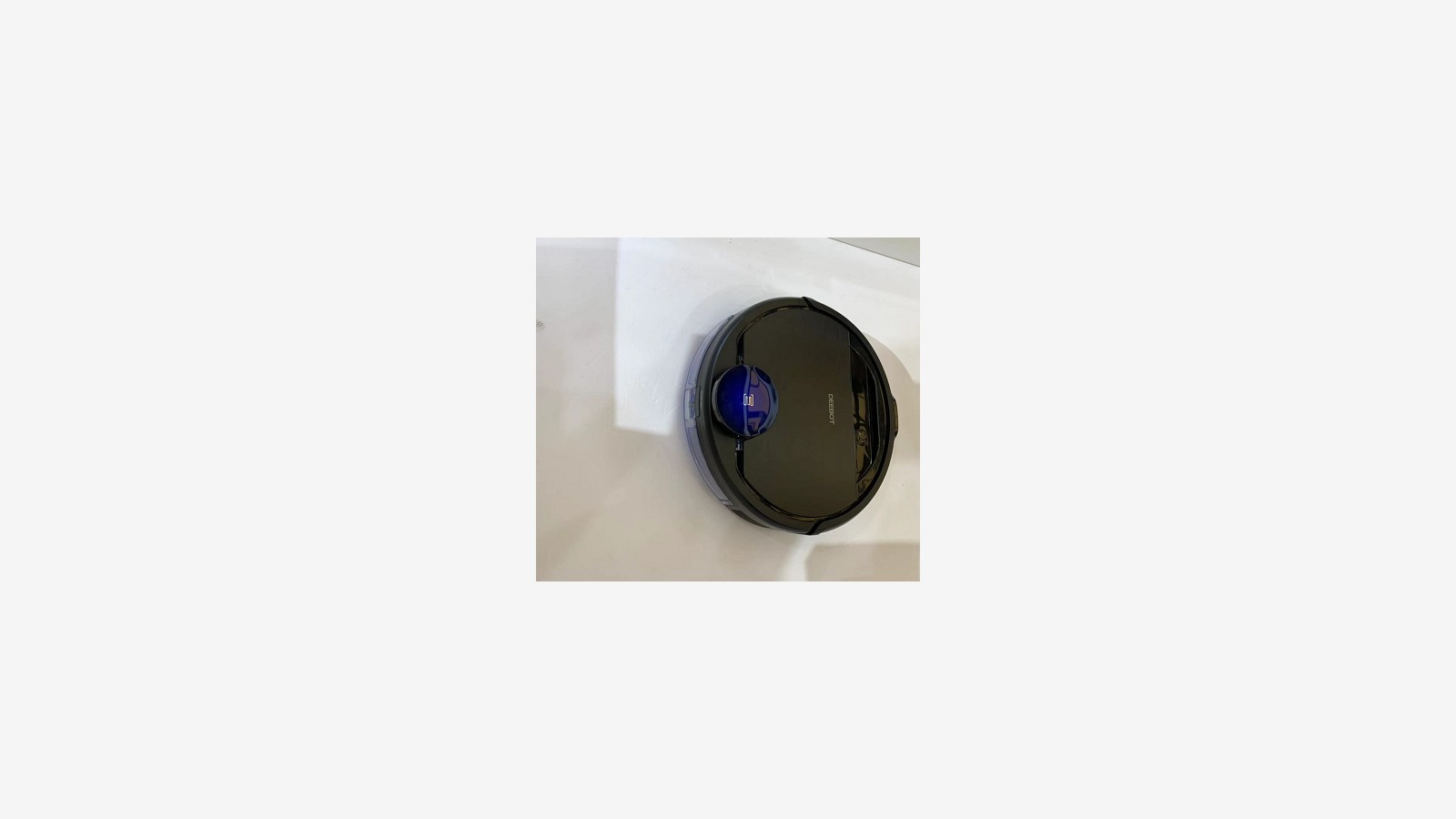
Ecovacs showed a robot vacuum with object recognition. The early recognition function was still limited, but the direction was important. Robot vacuums were beginning to move from simple navigation toward perception and environmental understanding.
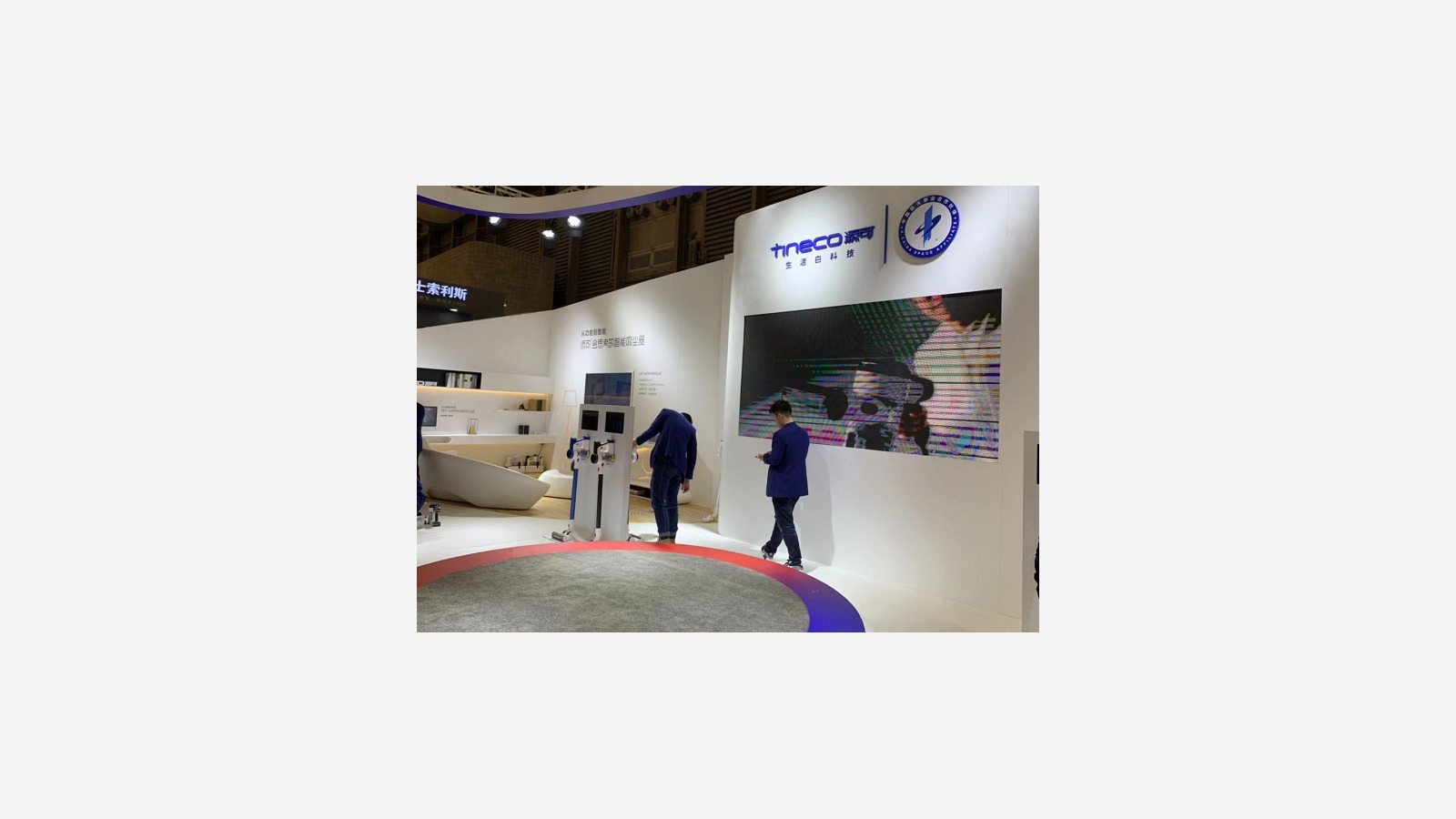
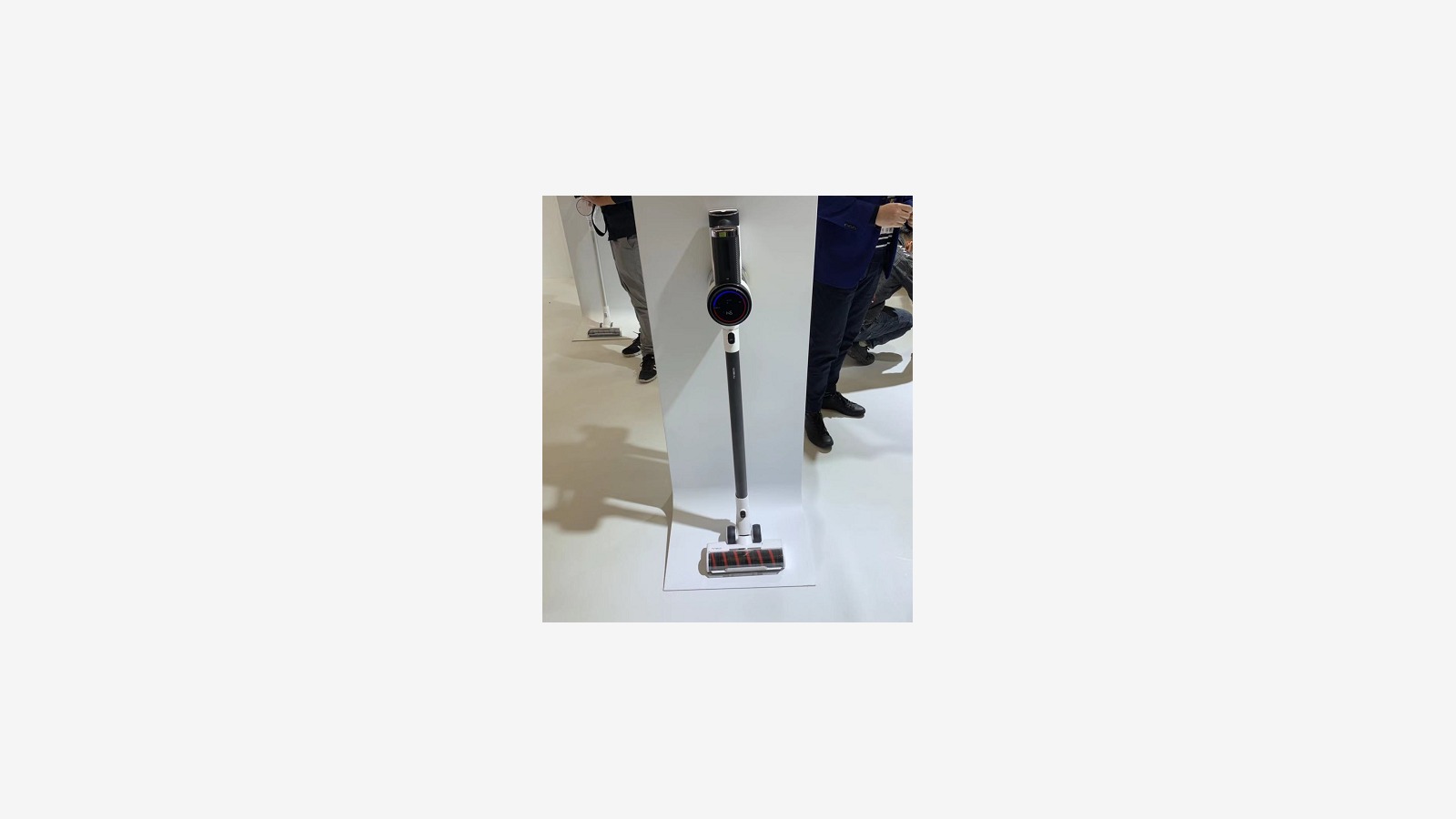
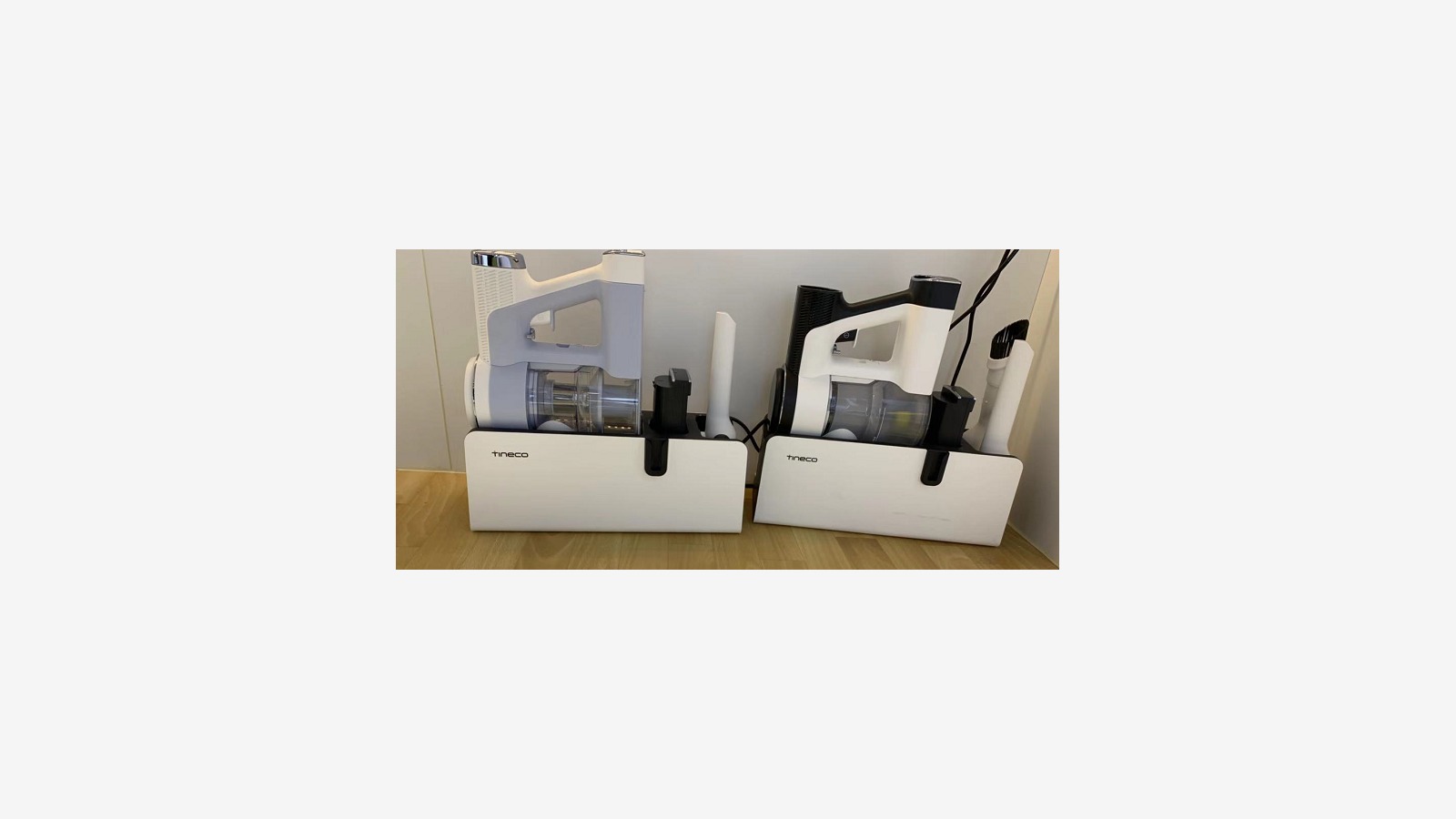
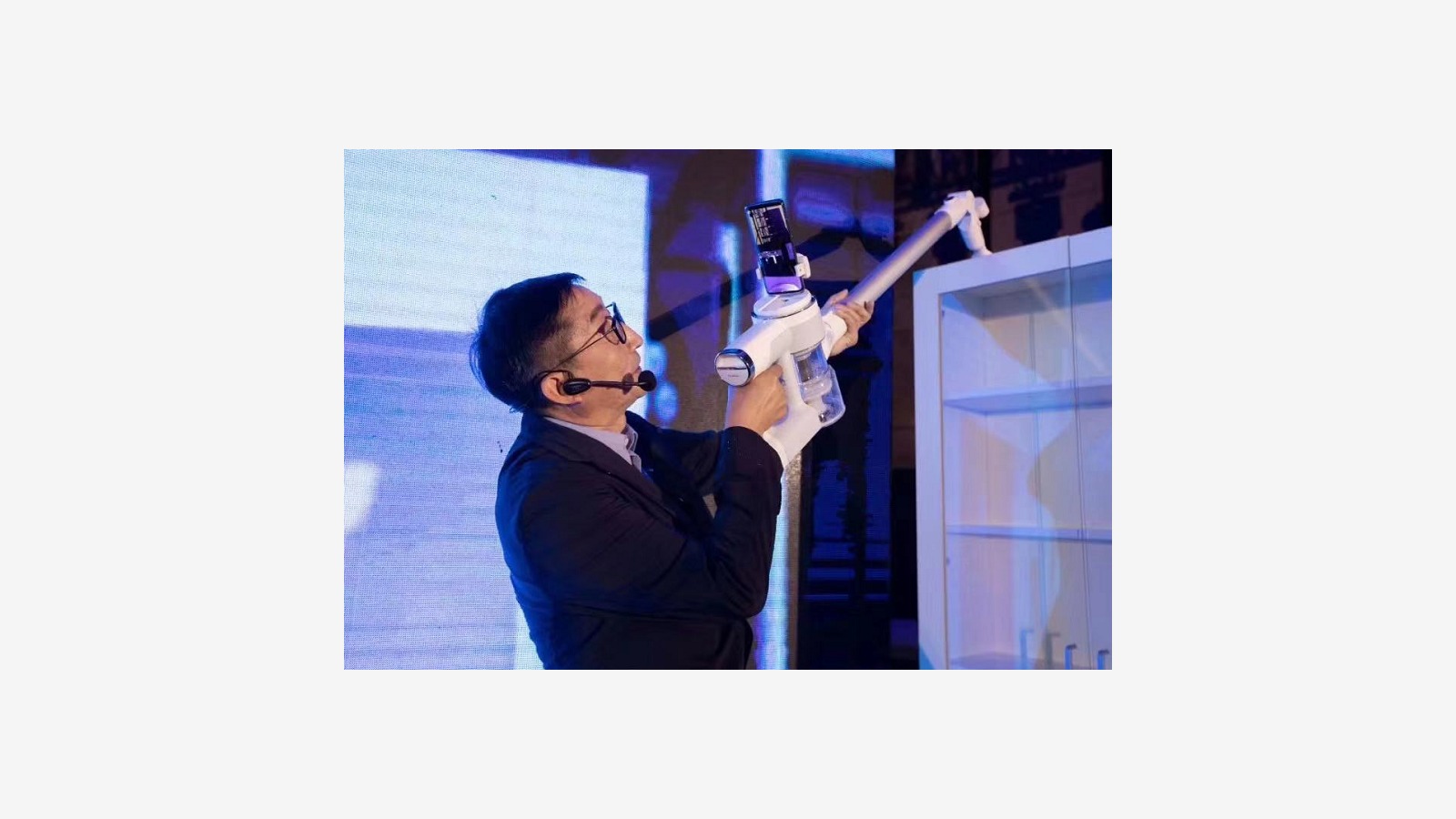
Tineco, which had evolved from the TEK brand inside Ecovacs, displayed an AI-positioned cordless vacuum with dust sensing and automatic suction adjustment. The feature was not perfect, but it pointed to a future in which sensors would become standard in cleaning products.
Overseas Brands and Localization
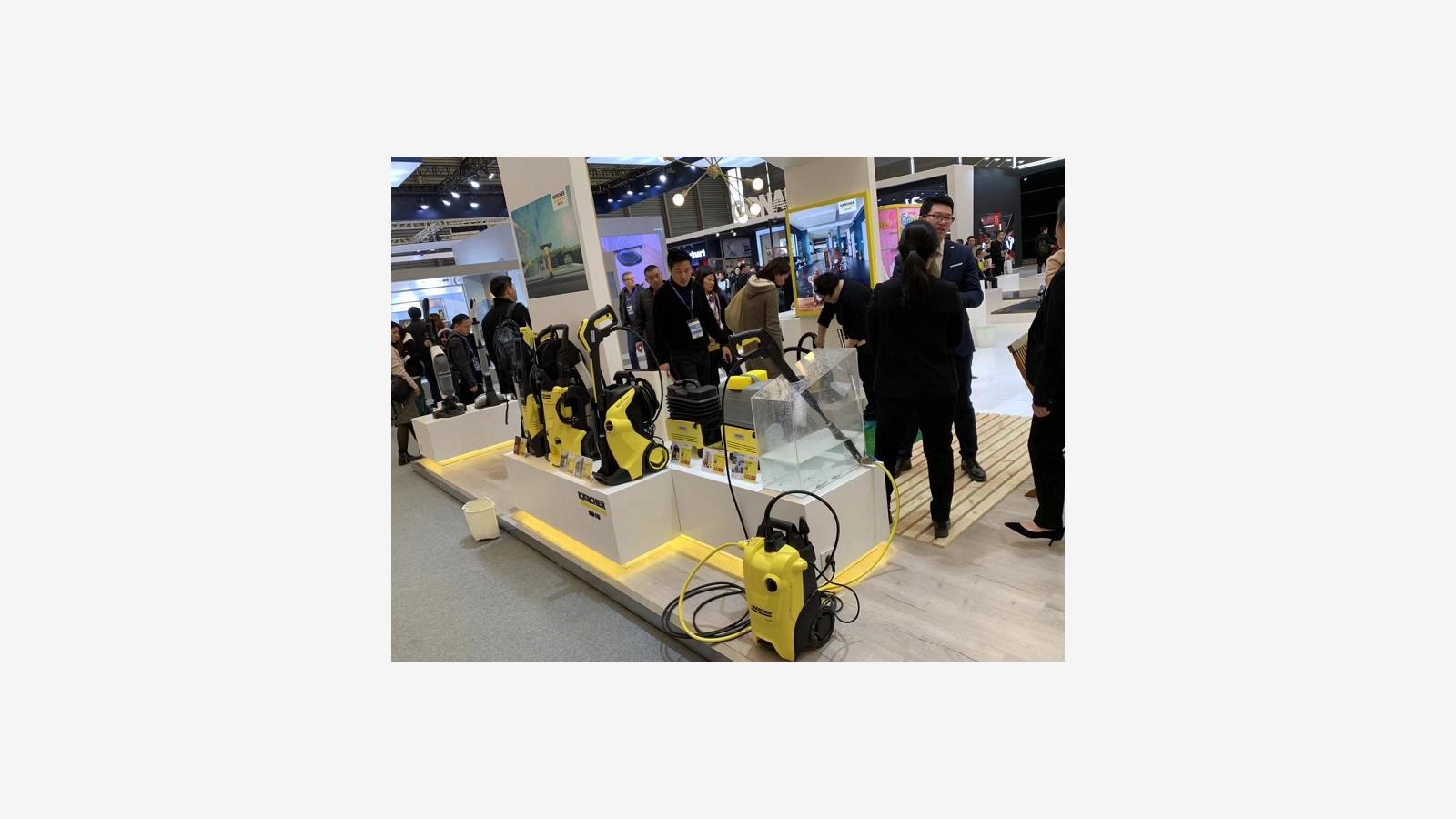
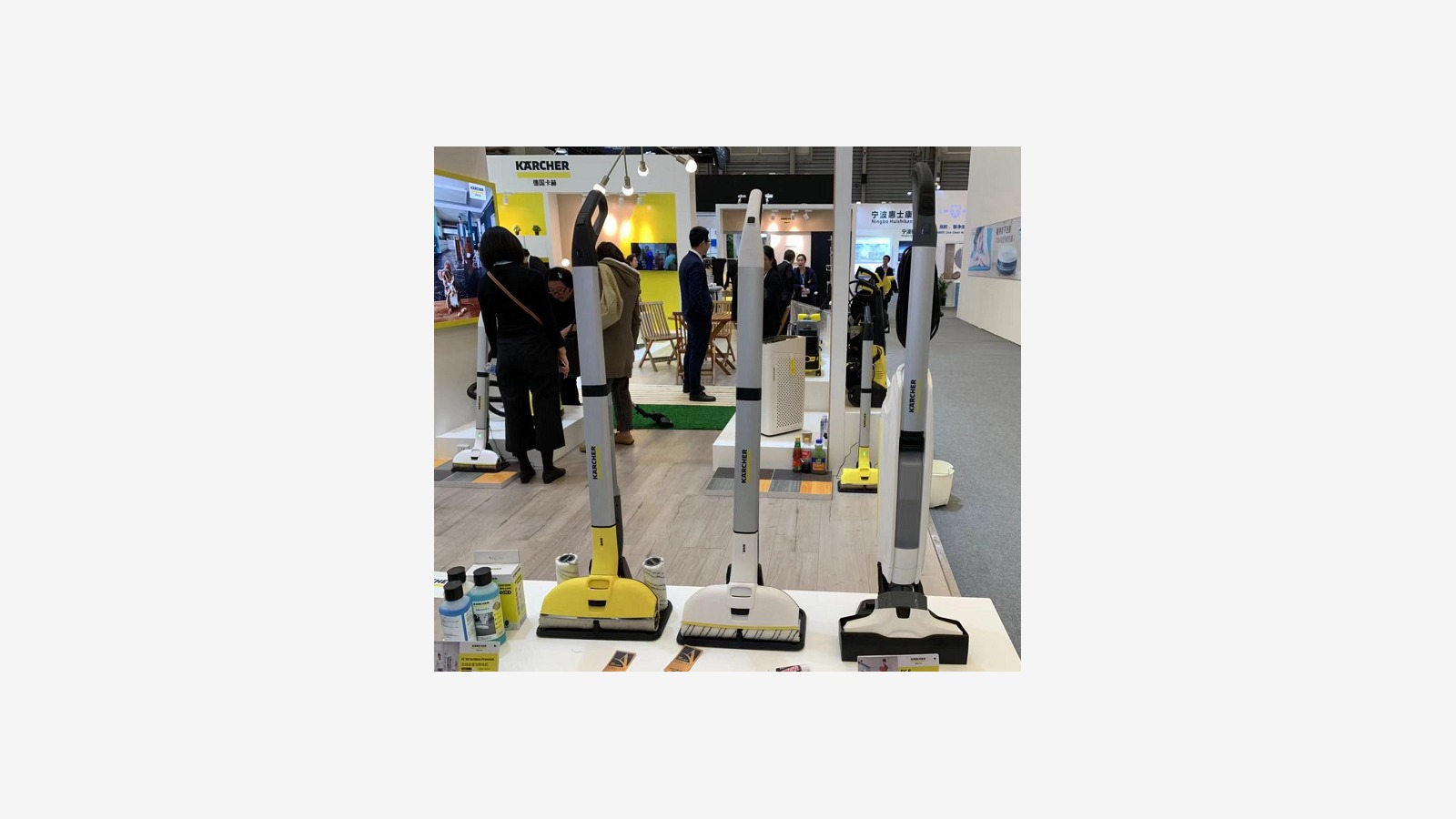
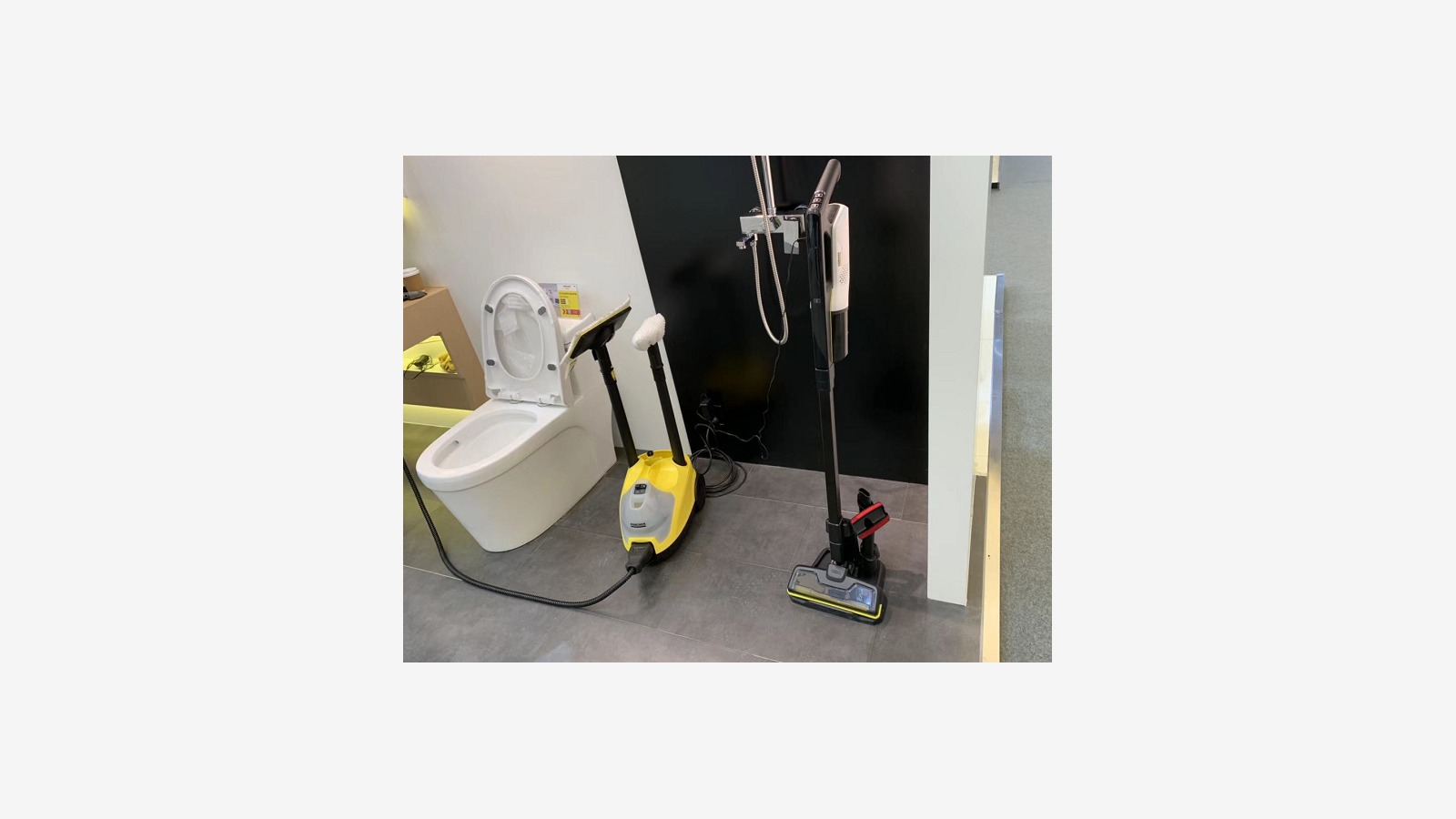
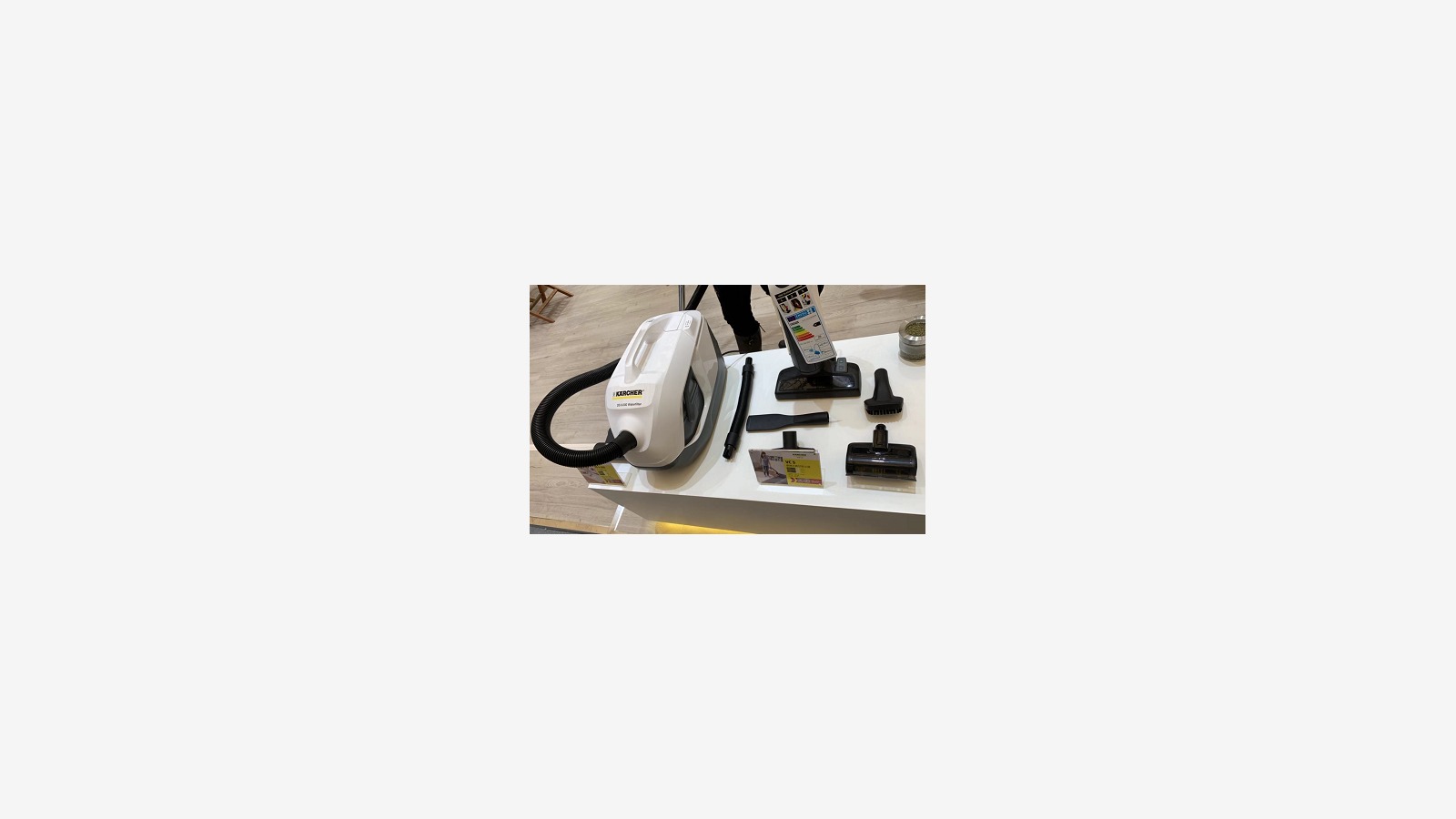
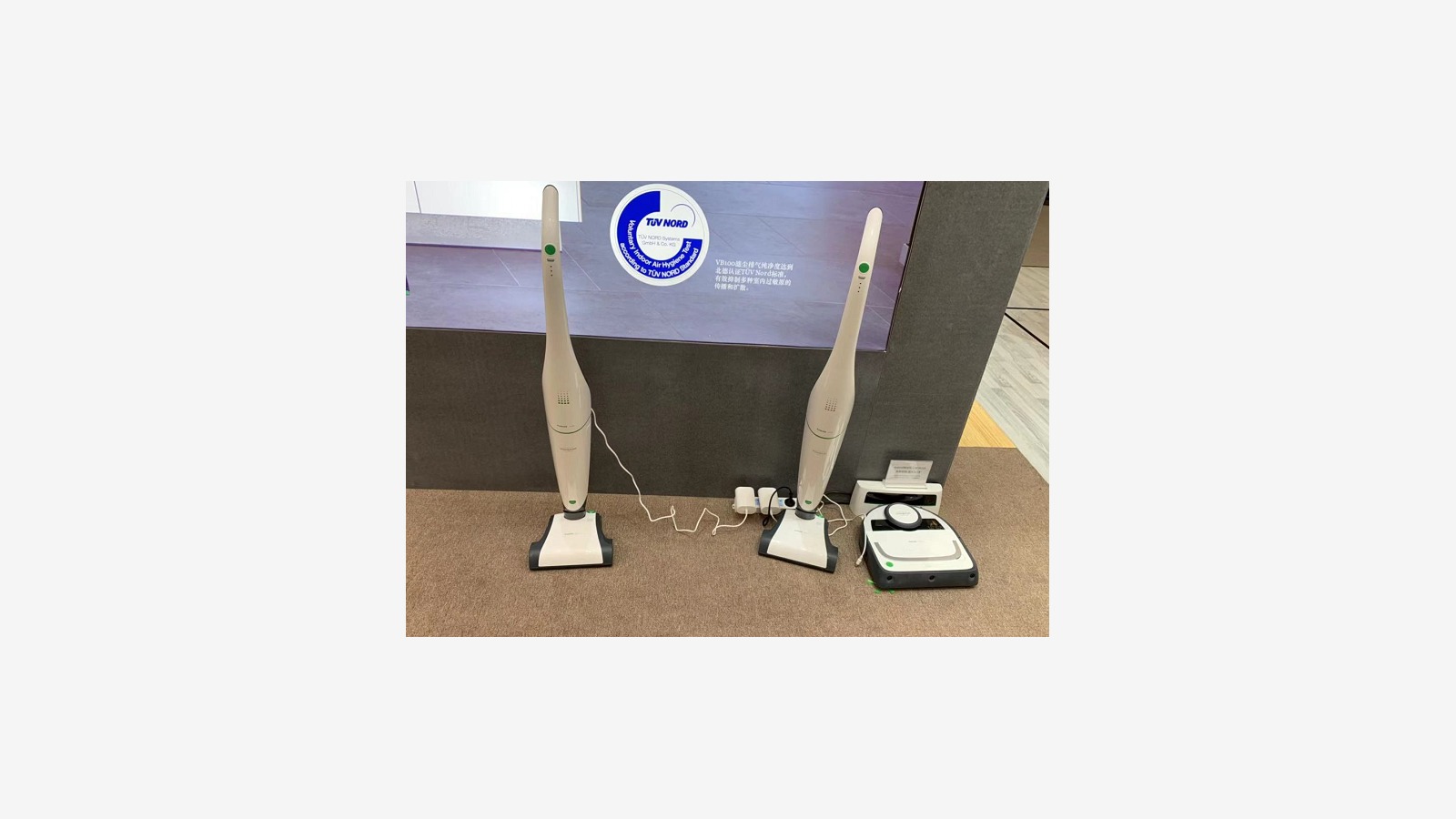
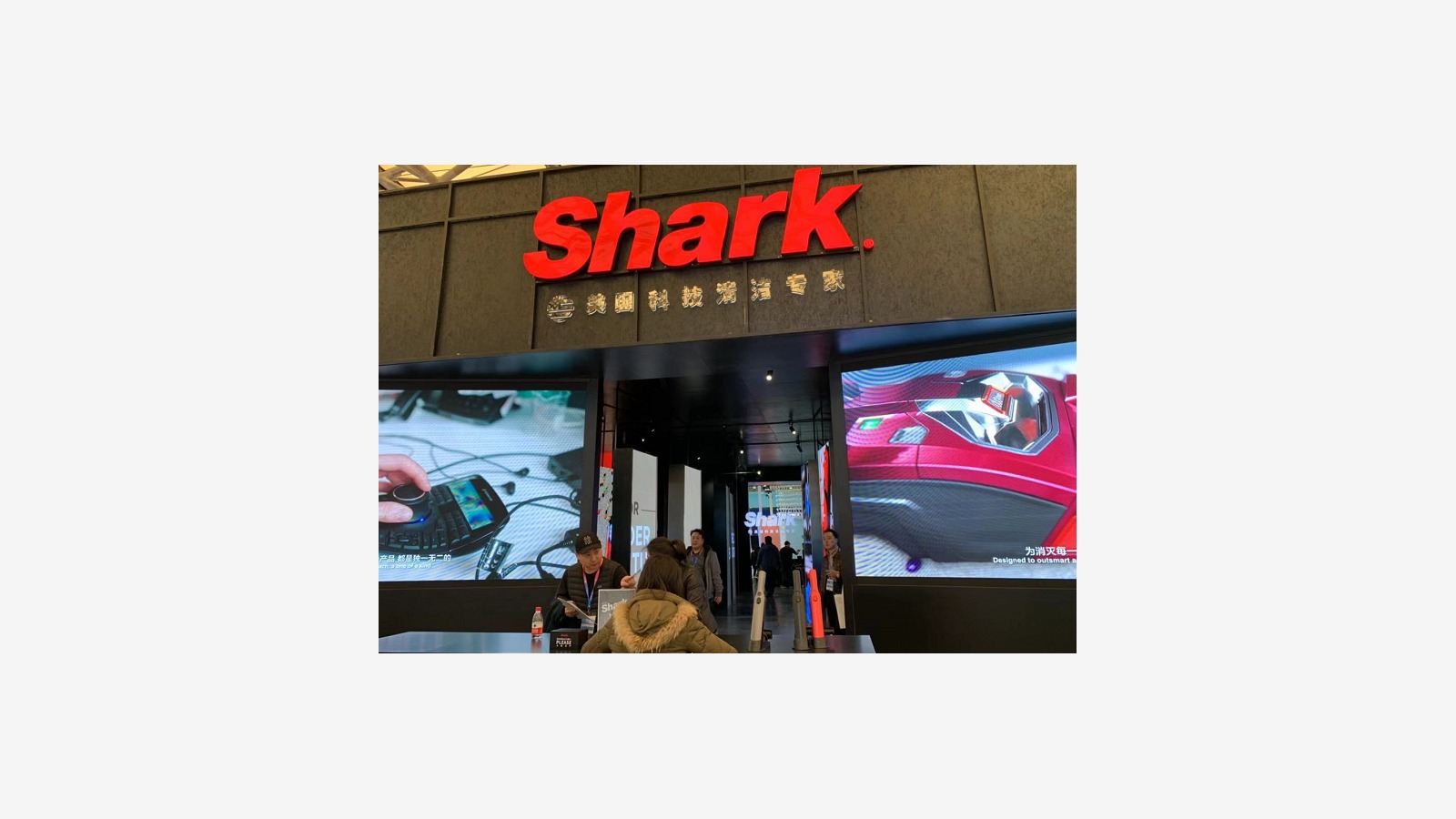
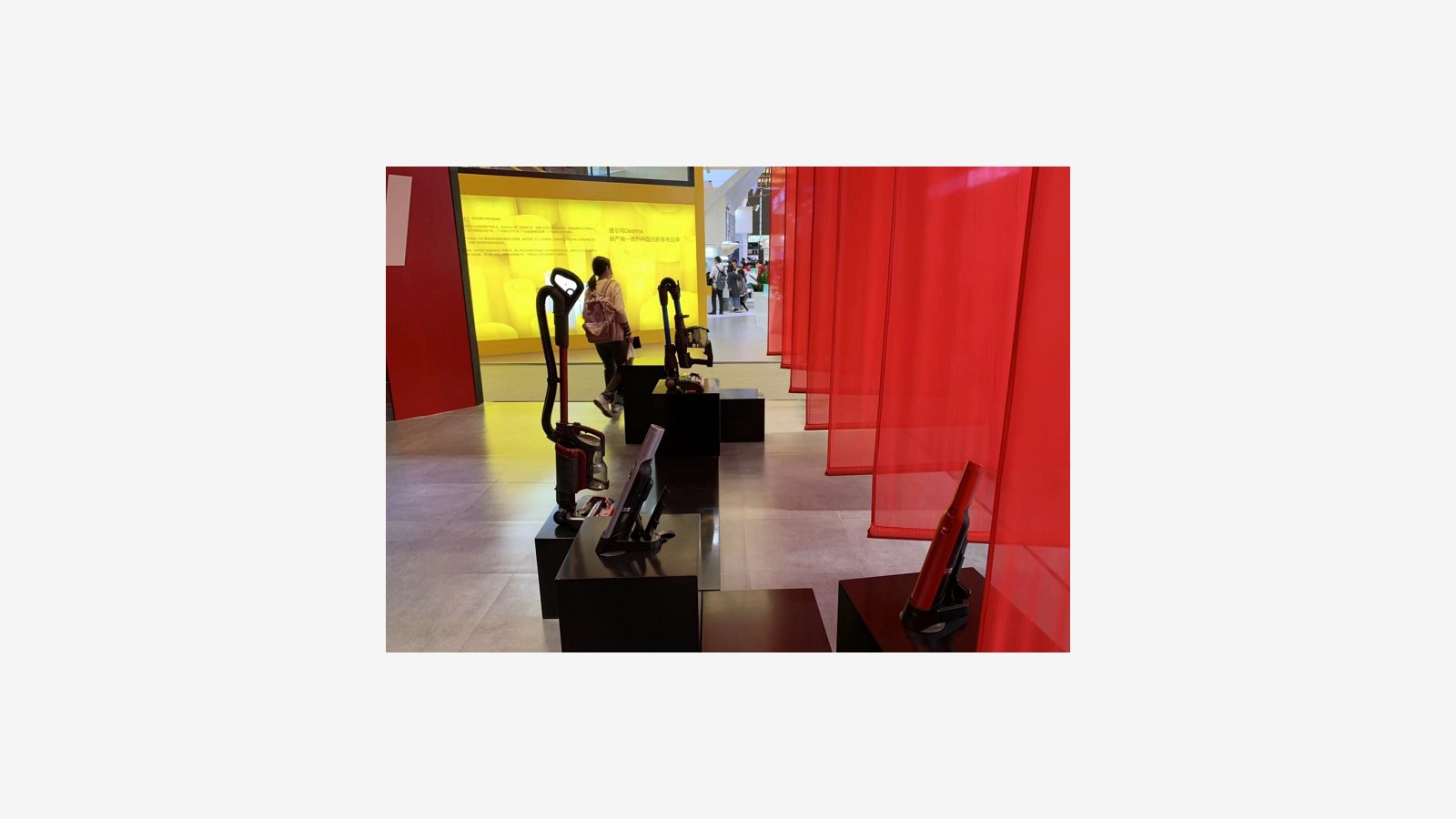
The show also exposed a common problem for overseas brands entering China. Shark brought North American models to the exhibition, but the products still looked heavily shaped by the US market. Karcher showed strong product depth, but many items still carried an industrial product feeling rather than a household appliance feeling.
For overseas brands, China was not simply another sales market. It required product localization, design adjustment, pricing discipline and a faster response to local usage habits.
The Real Signal
The most important signal from AWE was not any single product. It was the shift in competitive logic. Cleaning appliances were becoming more intelligent, more cordless, more sensor-driven and more dependent on user experience.
The companies that only treated cleaning as another appliance category would struggle. The companies that understood it as a robotics and smart hardware category would have more room to grow.