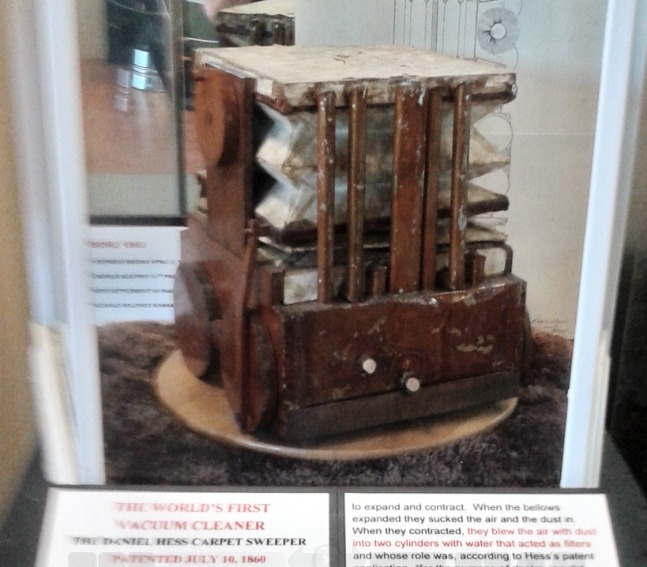
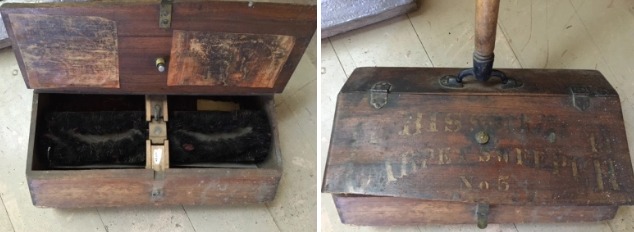
- In 1860, Daniel Hess of IOWA, USA invented the manual vacuum cleaner.
- In 1883, the German brothers Carl and Adolf Vorwerk founded the Vorwerk company.
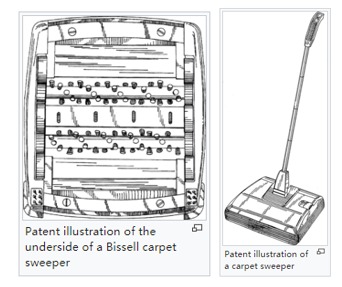
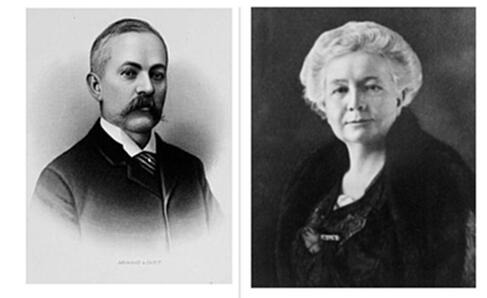
- In 1883, Melville Reuben Bissell and Ann Bissell formally established the Bissell Company and began selling carpet brooms.
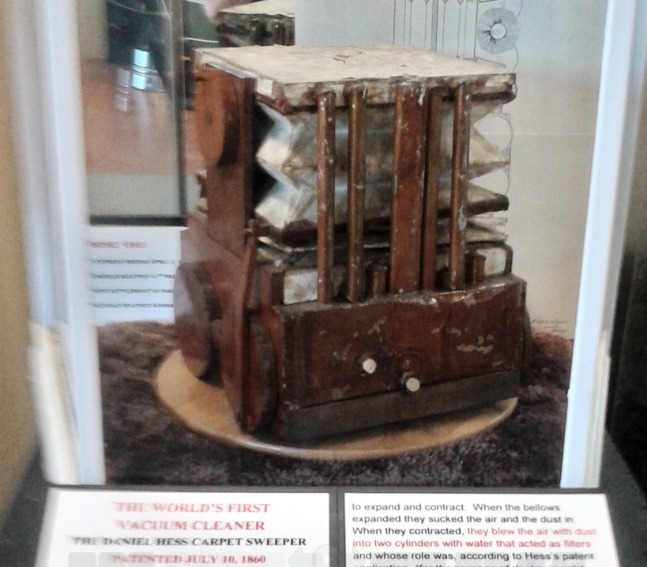
In 1860, Daniel Hess of IOWA, USA invented the manual vacuum cleaner.
In 1883, the German brothers Carl and Adolf Vorwerk founded the Vorwerk company. The company has continued to develop rapidly in the vacuum cleaner industry with its excellent quality and unique direct sales model.
In 1883, Melville Reuben Bissell and Ann Bissell formally established the Bissell Company and began selling carpet brooms.
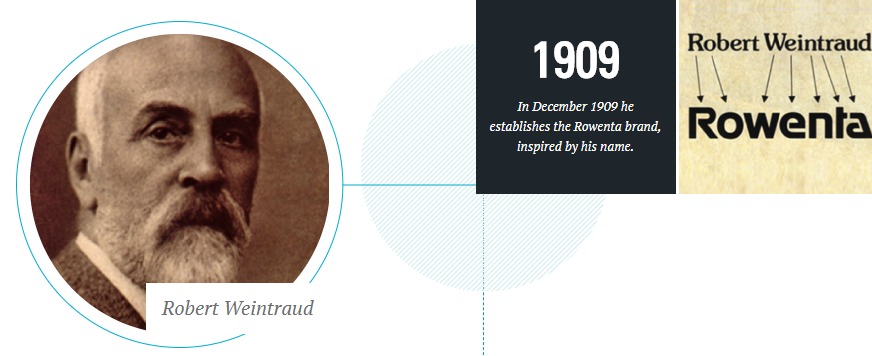
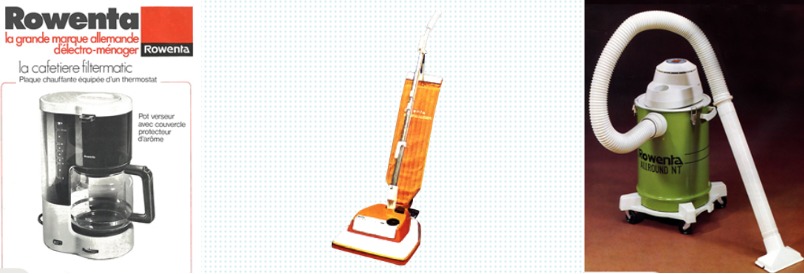
In 1884, Robert Weintraud established Robert Weintraud GmbH & Co KG, and used the letters in his name to form the brand Rowenta (Chinese name "Good Luck"). Now Rowenta is the most important brand of the French SEB Group.
In 1889, 49-year-old Melville Bissell died of pneumonia, leaving behind five children and the company. His wife Anna Bissell took over her husband's duties and successfully turned Bissell from a small company into an industry giant.
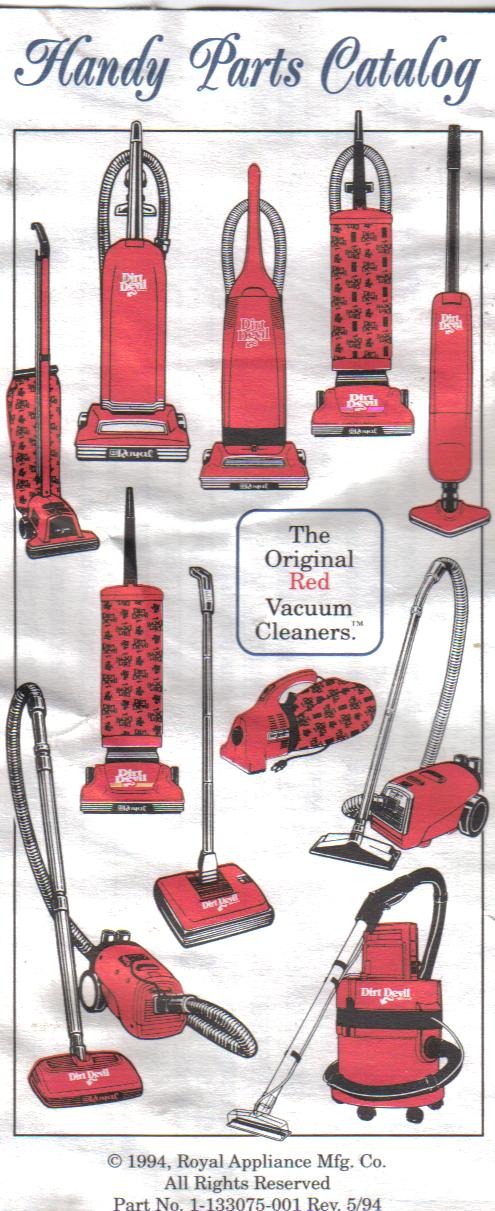
In 1905, Philip Geier established the P.A. Geier Company. In 1953, the company was renamed Royal Appliance Manufacturing. The most famous brand of Royal Company is Dirt Devil, and the company was later acquired by TTI.

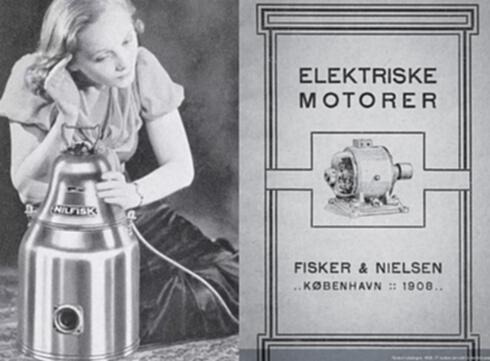
In 1906, Danish Peder Andersen Fisker and Hans Marius Nielsen established the Nifisk company, named after the two founders Nielesen's Nil and Fisker's fisk. In continental Europe, Nilfisk was the first company to sell vacuum cleaners.
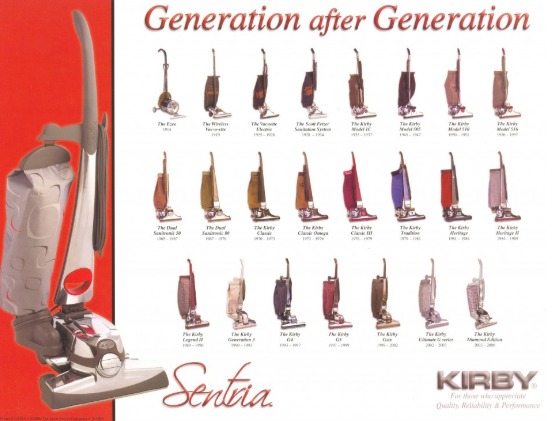
In 1906, James Kirby founded the Kirby Company, which has been in operation for over a century. Currently, Kirby's vacuum cleaner products are sold directly to consumers.
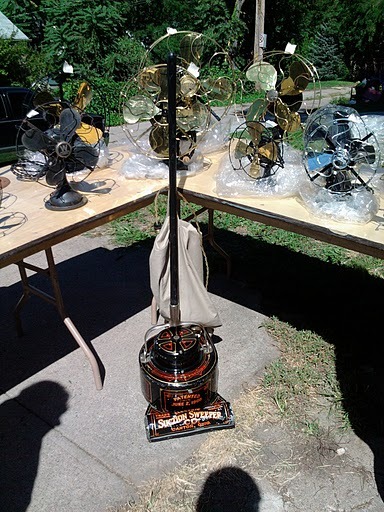
In 1908, Henry Hoover purchased the patent from Spangler and founded the Hoover Company, releasing the Model O vacuum cleaner. Today, the Hoover brand remains an important player in the North American market.
In 1910, Nilfisk produced the first vacuum cleaner in continental Europe, C1.
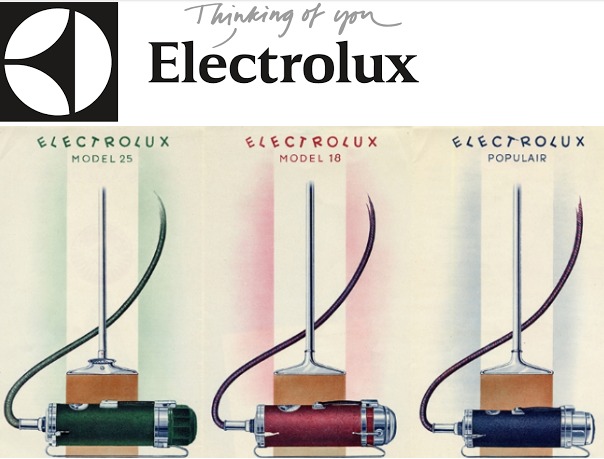
In 1919, Kingclean began producing vacuum cleaners under the name Lux AB. After numerous acquisitions, Kingclean became a leading brand in European vacuum cleaners and later grew into a multinational home appliance giant through a series of mergers and acquisitions.

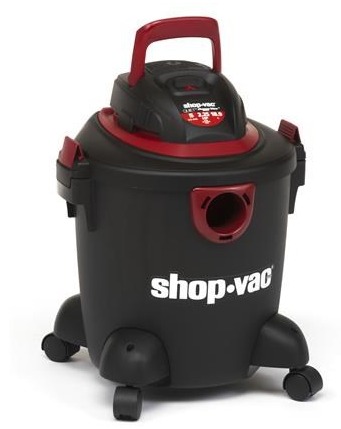
In 1953, ShopVac Company was founded in the UK and later became a significant player in the bucket-style wet/dry vacuum cleaner industry.
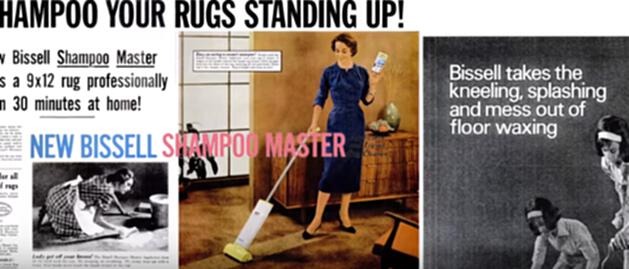
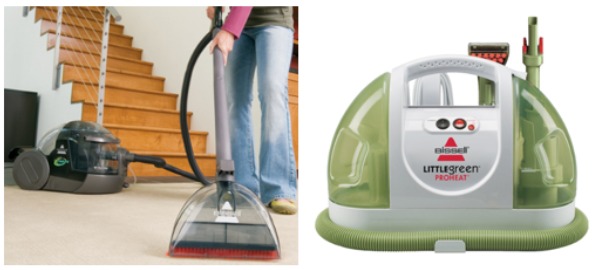
In 1956, Bissell introduced the manual carpet shampooer, which increased Bissell's sales by five times.
In 1966, the Dahua Hardware Factory was renamed Shanghai Electrical Plant No. 3 and began producing "Joyful Brand" vacuum cleaners, with an workforce of 115 people. In 1968, they manufactured 2,627 vacuum cleaners.

In 1967, Robert Bosch GmbH and Siemens AG jointly established BSH Home Appliances. Leveraging its own strength, BSH became the largest home appliance company in Europe. In 2014, Robert Bosch acquired a 50% stake in Siemens, turning BSH into a wholly-owned subsidiary.
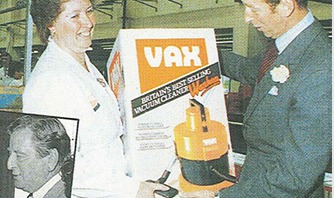
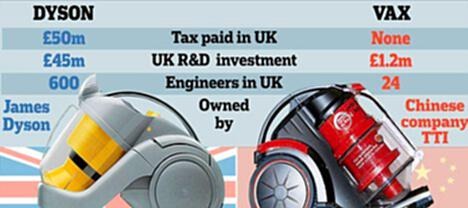
In 1977, Alan Brazier founded the VAX company in the UK, and VAX was once one of the top-selling vacuum cleaners in Britain.
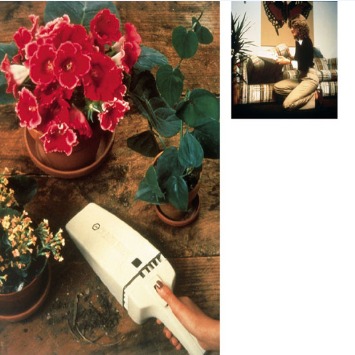
In 1979, Black & Decker officially released the Dustbuster cordless handheld vacuum cleaner, which is believed to be the world's first wireless vacuum cleaner. It sold one million units that year. The Dustbuster was developed by Black & Decker for NASA’s Apollo moon landing mission and was intended for use by astronauts in space.
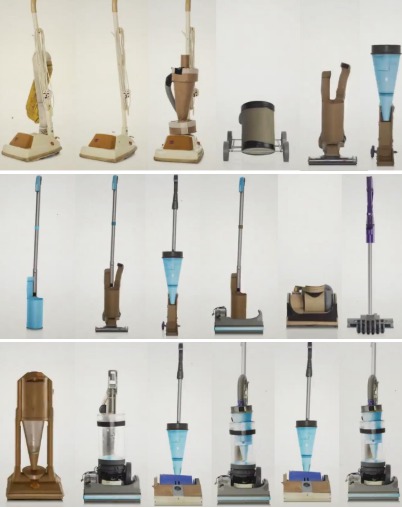
From 1979 to 1984, Dyson spent four years experimenting with 5,127 prototypes and finally invented the first bagless vacuum cleaner. He then took his invention to prominent vacuum cleaner manufacturers such as Black+Decker, Electrolux, and Hoover. At that time, all of these companies produced bagged vacuums, which were their primary source of profit. Therefore, they had no interest in distributing a product that would disrupt their business model.
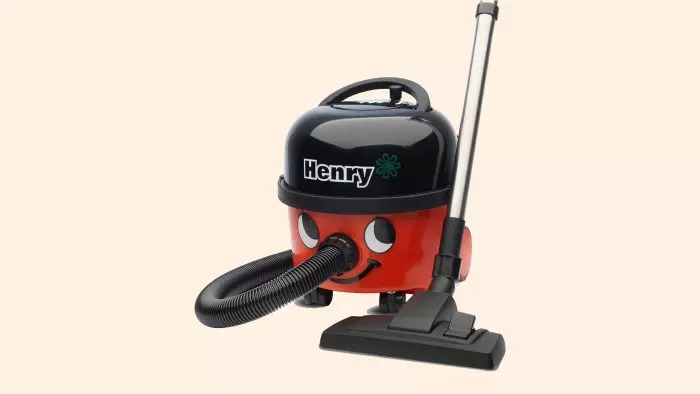
In 1981 at a trade show in Lisbon, Numatic showcased their latest canister vacuum cleaner. One of their engineers amusedly drew a smiley face on the machine during a break. To everyone's surprise, the Henry vacuum cleaner with the smiling face became very popular, thus giving birth to the iconic design.
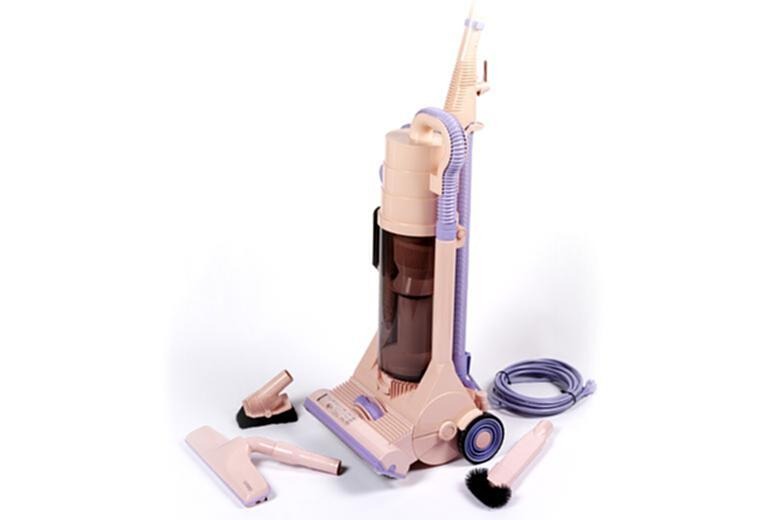
In 1985, Japanese company Apex contacted James Dyson and improved the first-generation machine DC02 on it. This pink machine, priced at $2,000, was still very popular and won numerous design awards.
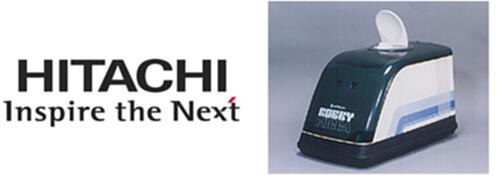
In 1985, Hitachi exhibited a sample of an indoor cleaning robot, the HCR-00, at the Domotech exhibition. This machine featured a gyroscope and ultrasonic radar for positioning.
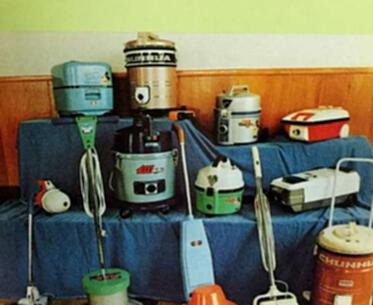
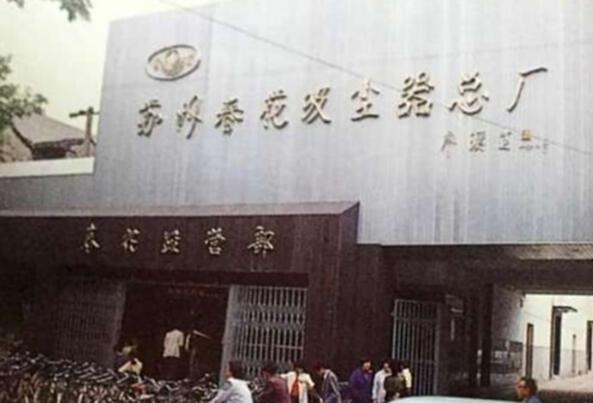
In 1986, Suzhou Vacuum Cleaner Factory produced China's first generation of home vacuum cleaners, the Chunhua brand upright vacuum cleaner. The Chunhua vacuum cleaner, along with Great Wall fans, Xiangxuehai refrigerators, and Peacock televisions, became popular across the country, with Suzhou people proudly referring to them as the "Four Great Dan Acts."



In 1999, recognizing the limitations of its contract manufacturing business, Pudwill prepared for a transition by acquiring the British vacuum cleaner brand Vax from VAX International Ltd for over $7 million.


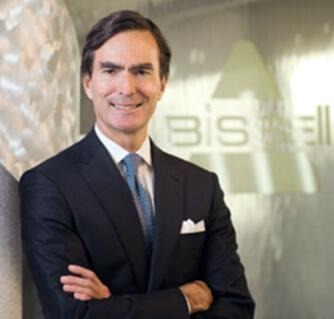
In 1994, Mark Bissell succeeded his father, John Bissell, as the new leader of the Bissell company, a position he has held to this day.
In May 1994, Suzhou Spring Flower Electrical Appliances Co., Ltd. was established through a private placement method by the Suzhou Vacuum Cleaner Factory, Wu County Microcomputer Plant, and Xushishi Town Asset Operating Company. That year, the vacuum cleaner factory obtained self-operated import and export rights, increasing its production to 753,500 units and exporting 370,000 units.
In August 1994, then Deputy Director of Suzhou Light Industry Bureau, Bian Zhuang, resigned from public service to go into business, founding Suzhou EUP Electrical Appliances Co., Ltd. Over the next decade, EUP, along with Kingclean and TEK (Taisite), ranked among the top three contract manufacturers in the vacuum cleaner industry.


In May 1995, Chunhua Appliances established Suzhou Chunflying Household Appliances Co., Ltd. in a joint venture with Philips of the Netherlands. Philips brought both technology and orders to the Chinese vacuum cleaner industry, making it one of the most important foreign brands introduced into the sector.

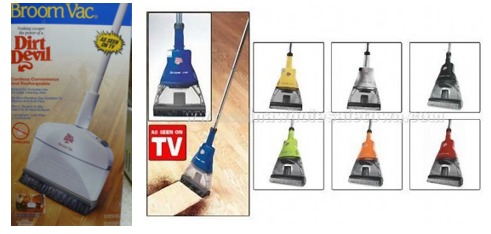
In 1995, Royal faced severe market competition. TTI developed and manufactured the Broom Vac for Royal, priced at $40, which sold 800,000 units.

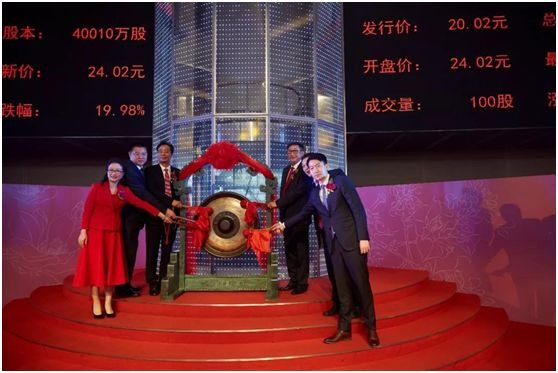
In 1996, Ningbo Fidelity Electric went public and became the first IPO stock in the vacuum cleaner industry.


In 1996, Bissell acquired the Singer brand, a sewing machine and vacuum cleaner brand, from Ryobi Motor Products. Bissell therefore improved its upright vacuum cleaners and filled the gap in the low-end product line. In the next eight years, Bissell surpassed another century-old brand Hoover (now a brand of TTI), once occupying 20% of the market.
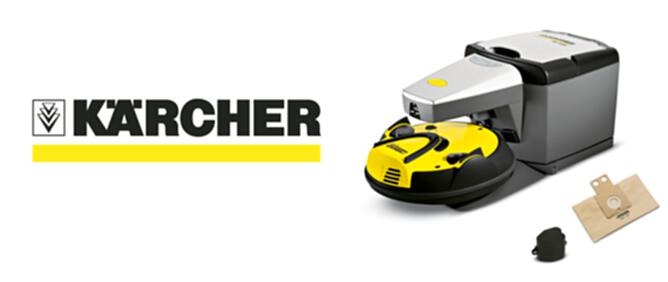
In 1996, Kingclean released the Trilobite robot vacuum (which looks like an ancient creature, a trilobite). This was the world's first robot vacuum equipped with ultrasonic sensors that could automatically transmit the location of obstacles. It sold for about $2,000.
In 1998, Qian Dongqi founded Ecovacs Robot Technology (Suzhou) Co., Ltd. (formerly Taiyikai) and began to independently develop and produce vacuum cleaner products.
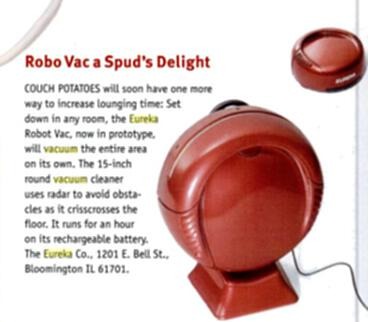
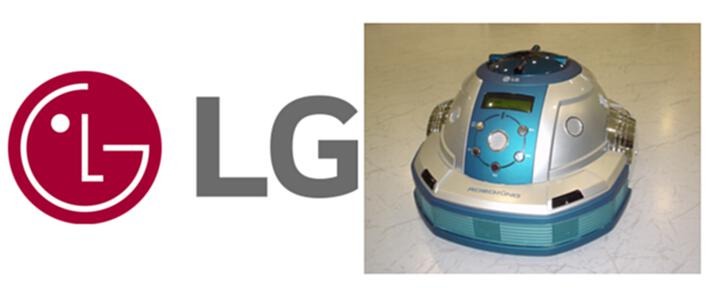
In 2001, LG released the Robokingrobot vacuum, which was not inferior to the Dyson DC06 in terms of size. This was obviously not a good solution.

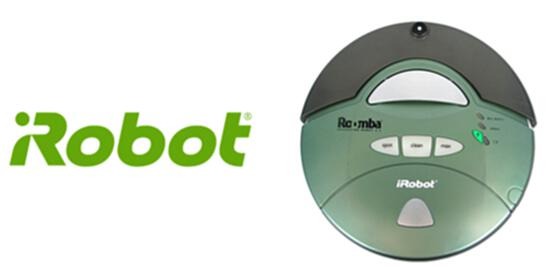
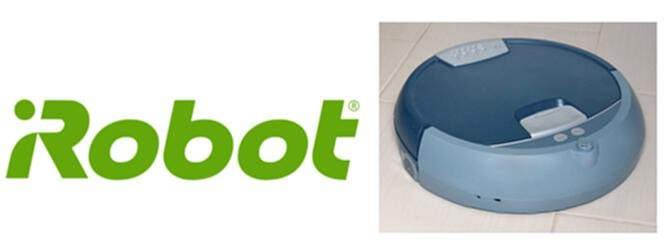
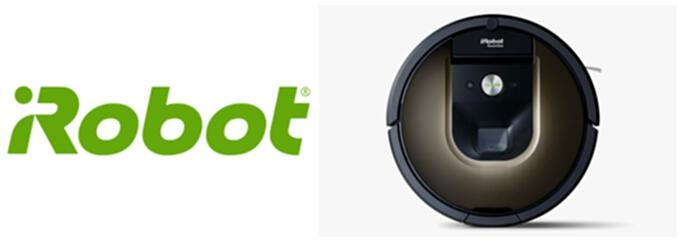
In 2002, iRobot, a military robot, released the real home robot vacuum Roomba, priced at $199.95, and ushered in the era of smart robot vacuum. The first-generation Roomba 400 series used a random collision cleaning mode. In the year it was launched, Roomba achieved great success in the market.


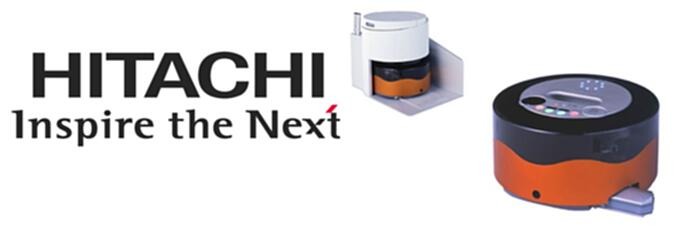
In May 2003, Hitachi released the Cleaning robot, HCR-03

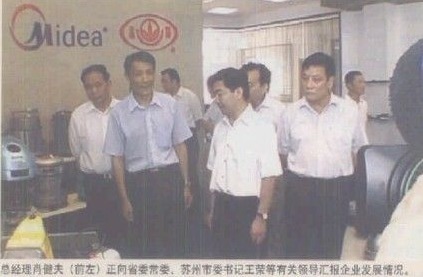
In April 2005, Jiangsu Chunhua formed a joint venture with Guangdong Midea Electric Co., Ltd. and changed its name to Jiangsu Midea Chunhua Electric Co., Ltd. Xiao Jianfu, the old factory director of Chunhua, was appointed as the general manager.
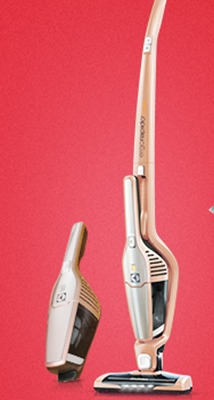
In 2005, iRobot released the Scooba mopping robot.
In 2006, Chen Hong left Positec and founded Ke Ling Group. Ke Ling, which has developed rapidly along the way, has become the largest wet and dry vacuum cleaner factory in China, and its even rarer self-brands account for the majority.

In 2007, Nilfisk acquired Dongguan Viper, a professional cleaning equipment company.

In 2007, TTI acquired the Hoover brand floor cleaning business from the home appliance giant Whirlpool Corporation for US$107 million in cash, and merged the original Royal and Dirt Devil businesses. TTI Floor Care became the largest cleaning appliance manufacturer in North America.

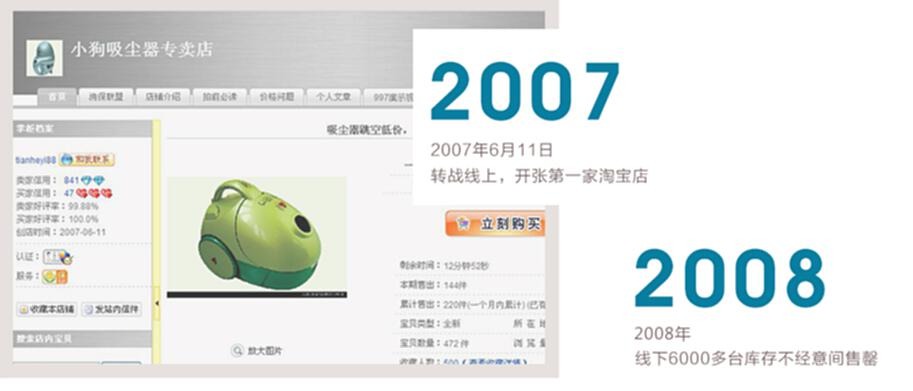
In 2010, Guangdong Xinbao Electric established a factory in Chuzhou, Anhui and entered the vacuum cleaner industry. In 2014, Xinbao Electric's main board was listed on the market, and its domestic brand was "Donngling".

In 2010, iRobot, an intelligent robot vacuum company, announced that it had reached an agreement with Jabil Electronics (Jabil), and the latter's Chinese factory will manufacture intelligent robot vacuums.
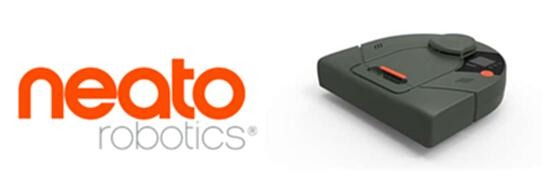
(picture below)
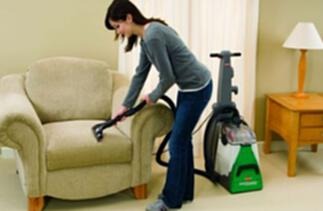
In 2011, Bissell also announced another of their businesses, Big Green's carpet cleaning machine rental business. It directly went to war with Rug Doctor, the giant in this field. At that time, Rug Doctor's machine sold for $600, and renting it for a day cost $24.99 (excluding cleaning agent). Bissell directly entered the market for $400.
With the support of the chain store Lowe's, Bissell's Big Green carpet deep cleaning machine was quickly deployed in more than 800 stores.
In 2011, Verwork released the VR-100 robot vacuum model, and Neato manufactured it.

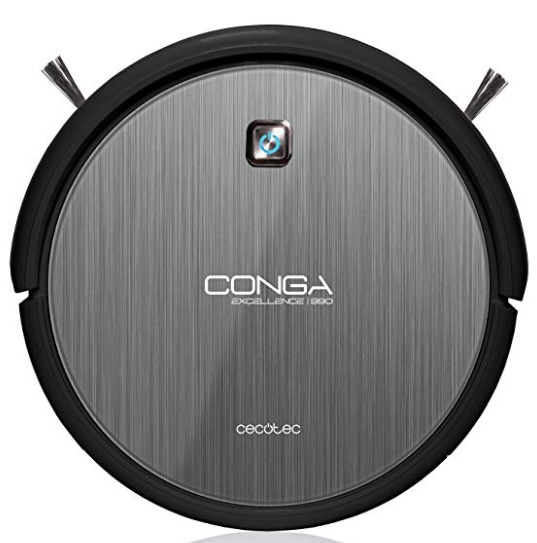
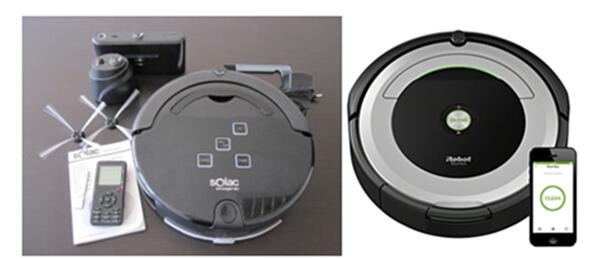
The five companies are: Pardus GmbH, Emparanza y Galdos Internacional SA, Elektrogerate Solac Vertrieb GmbH, Electrodomesticos Solac SA, and Celaya. (The picture below shows a comparison of the two models)


In 2015, Dyson released the Dyson V6 handheld rechargeable vacuum cleaner and began to lead the trend in the vacuum cleaner industry (the digital motor can reach 120,000 rpm, the previous motor was generally 25,000 rpm, and now the motors of domestic vacuum cleaner motor factories can reach about 80,000 rpm). Wireless charging products in the entire vacuum cleaner industry have an annual growth rate of 30-40%.
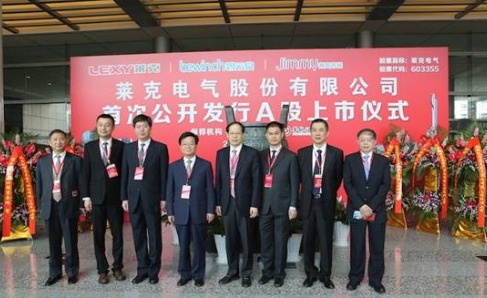
On May 13, 2015, Kingclean Electrical Appliances successfully listed on the Shanghai Stock Exchange, and the Nee family was once the richest man in Suzhou.
On November 12, 2015, Suzhou ETA Technology (834236.OC) was listed on the New OTC Market.
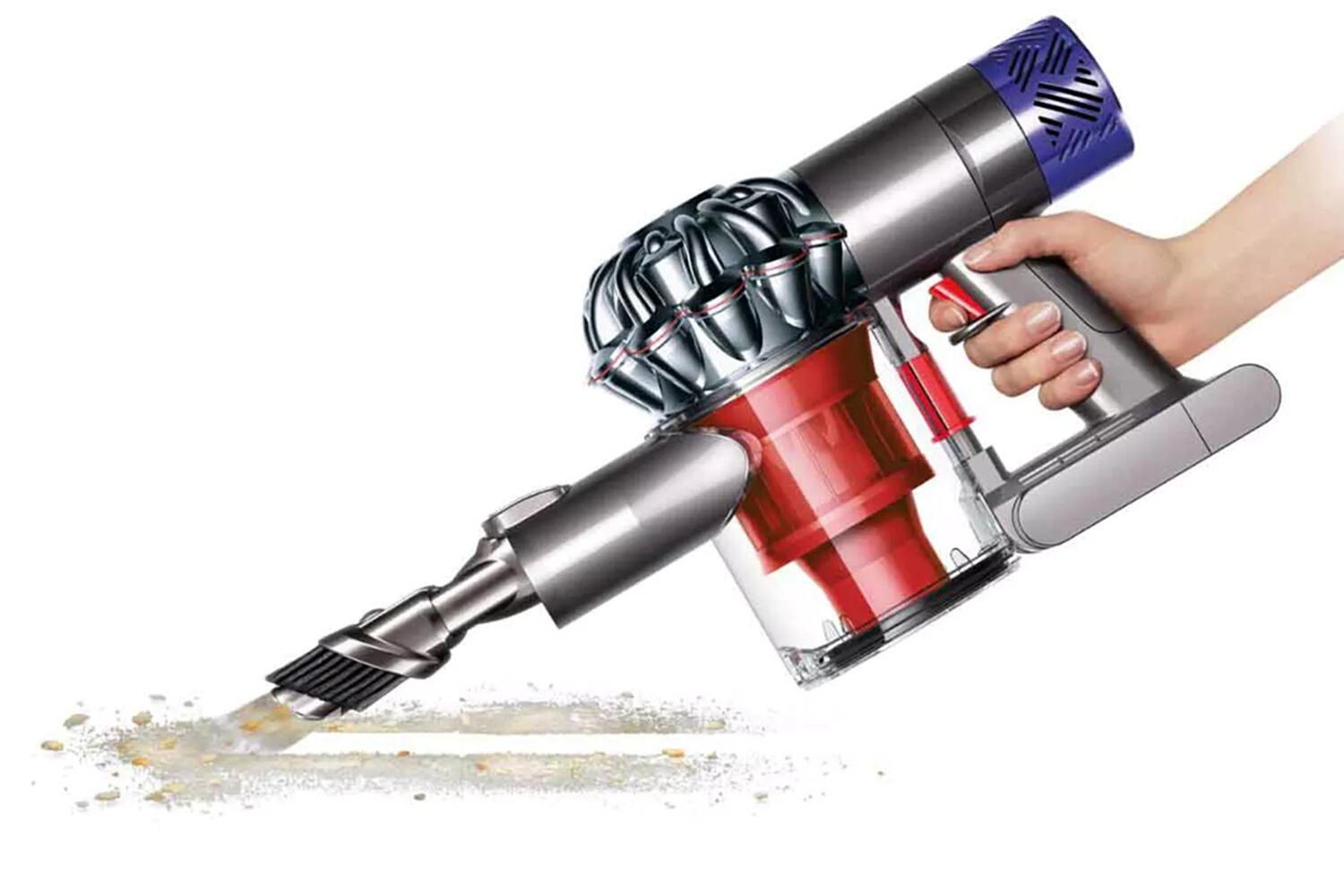
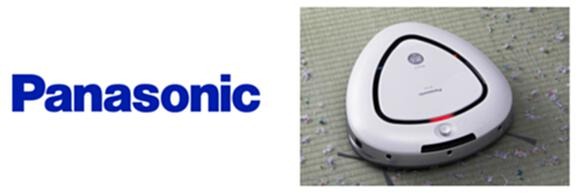
In 2015, Panasonic launched the triangular-shaped robot vacuum Rulo.

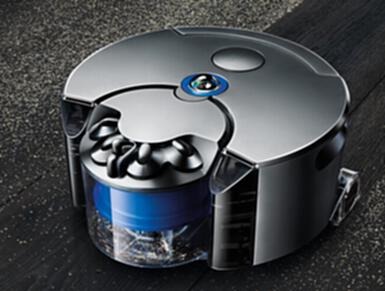
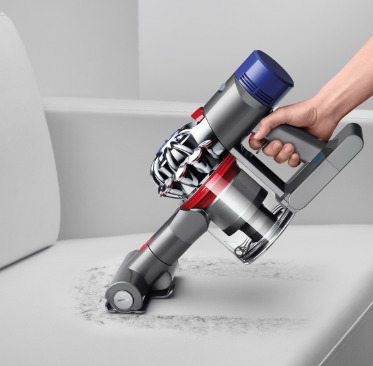
In 2016, Dyson released the V8 wireless vacuum cleaner. Relying on the powerful performance of V8, Dyson became popular around the world.
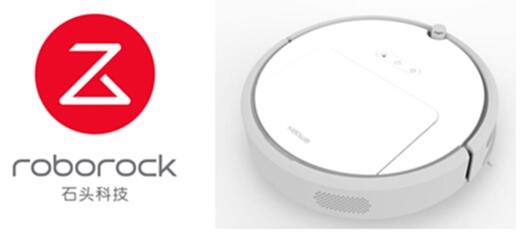
In August 2016, Roborock, a subsidiary of Xiaomi, launched the Mijia robot vacuum, which uses LiDAR navigation technology and a global planning function in the algorithm. Usually, such products on the market sell for more than 4,000, while Roborock sells for only 1,699. This product became a hit, with single product sales exceeding 1 billion yuan.
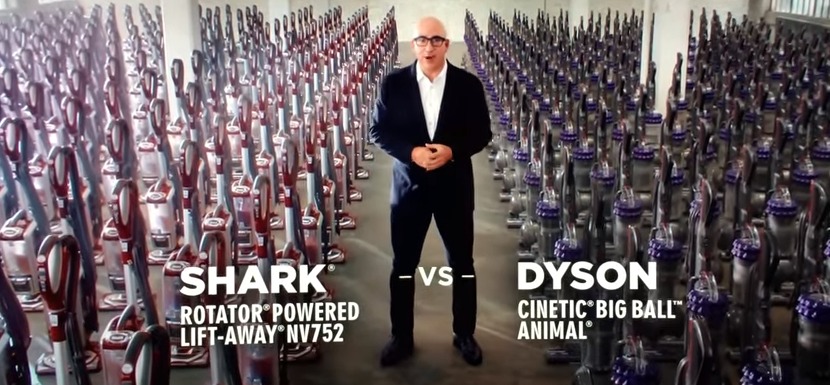
In September 2017, SharkNinja, a well-known North American small home appliance brand, released its first robot vacuum ION Robot, priced at $299. The market generally believed that iRobot would face significant pressure, causing iRobot's stock price to fall by more than 15%.
On August 18, 2017, CDH Investment announced the acquisition of SharkNinja, the leading brand in the North American market (the acquisition amount is said to be over 10 billion). There is a vague shadow of the listed company Joyoung behind this acquisition, which has also led to a change in the industry's foundry pattern.

On December 22, 2017, Ecovacs submitted a prospectus, with founder Qian Dongqi and his son Qian Cheng becoming the largest shareholders.


In March 2018, Roborock launched another robot vacuum priced at 999, aiming to seize the low-end random robot vacuum market. Can this product continue its glory?

In 2018, Airtek closed its doors and its customers were immediately transferred to other foundries in the industry.
In August 2018, Bissell acquired the Sanitaire brand from Kingclean and entered the commercial cleaning market.
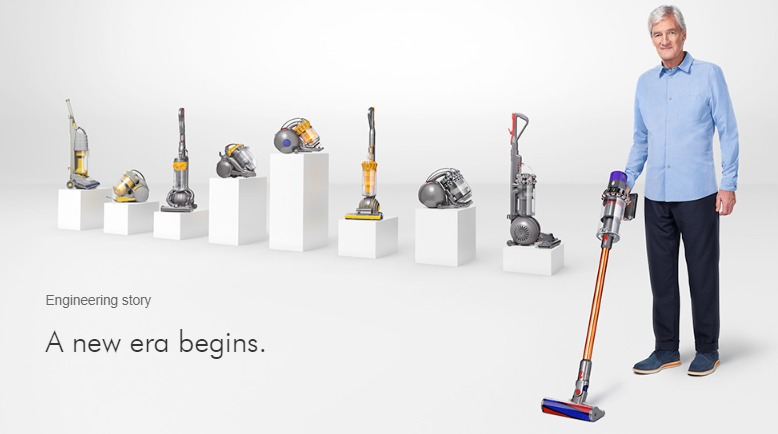
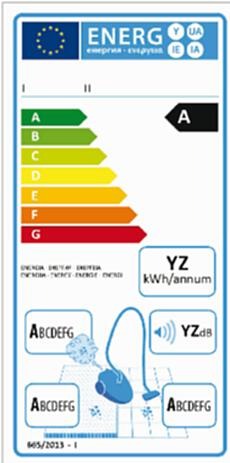
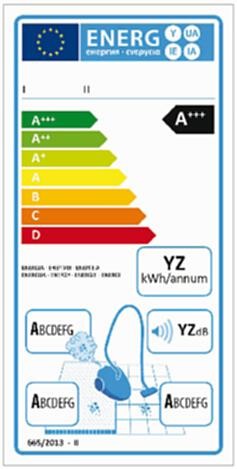
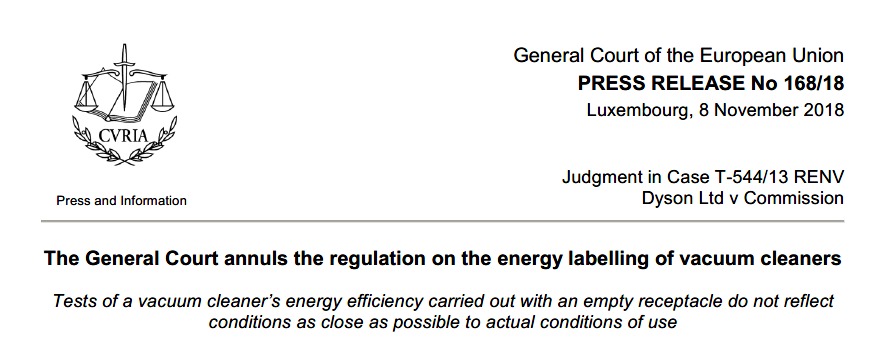
On November 8, 2018, after continued appeals by Dyson, the EU energy efficiency standards will be abolished.
In March 2019, Dyson released the latest V11 wireless vacuum cleaner, which is equipped with smart sensors, marking the vacuum cleaner industry entering the smart era. In addition, the 21700 battery configured in V11 also leads the industry towards larger-capacity batteries.
In March 2019, TTI released the strategic One Power series, re-creating a universal battery platform for home appliances. If this attempt is successful, it will provide a standardized sample for the wirelessization of the entire small home appliance industry.