- Value-for-money was powerful in Chinese small appliances, but cleaning appliances became a more complex hardware business.
- Floor washers and robot vacuums require R&D, after-sales control, channel profit and clear category positioning.
- Deerma's challenge reflects the gap between small-appliance logic and cleaning appliance execution.
For the past decade, value-for-money was one of the most effective strategies in Chinese consumer hardware.
Xiaomi reshaped many categories through high specifications, low prices and strong traffic. A group of ecosystem companies and small appliance brands benefited from that logic. Deerma was one of them.
Before joining the Xiaomi ecosystem, Deerma was already strong in design, low pricing and e-commerce operations. Working with Xiaomi later strengthened its supply chain, product selection and online channel capabilities.
That system worked well in ordinary small appliances.
Deerma's strength was not building products with extremely high technical barriers. It was finding mass-market demand, making products look good, making them affordable and good enough, then selling them quickly through online channels.
The cleaning appliance market did not continue along ordinary small-appliance logic.
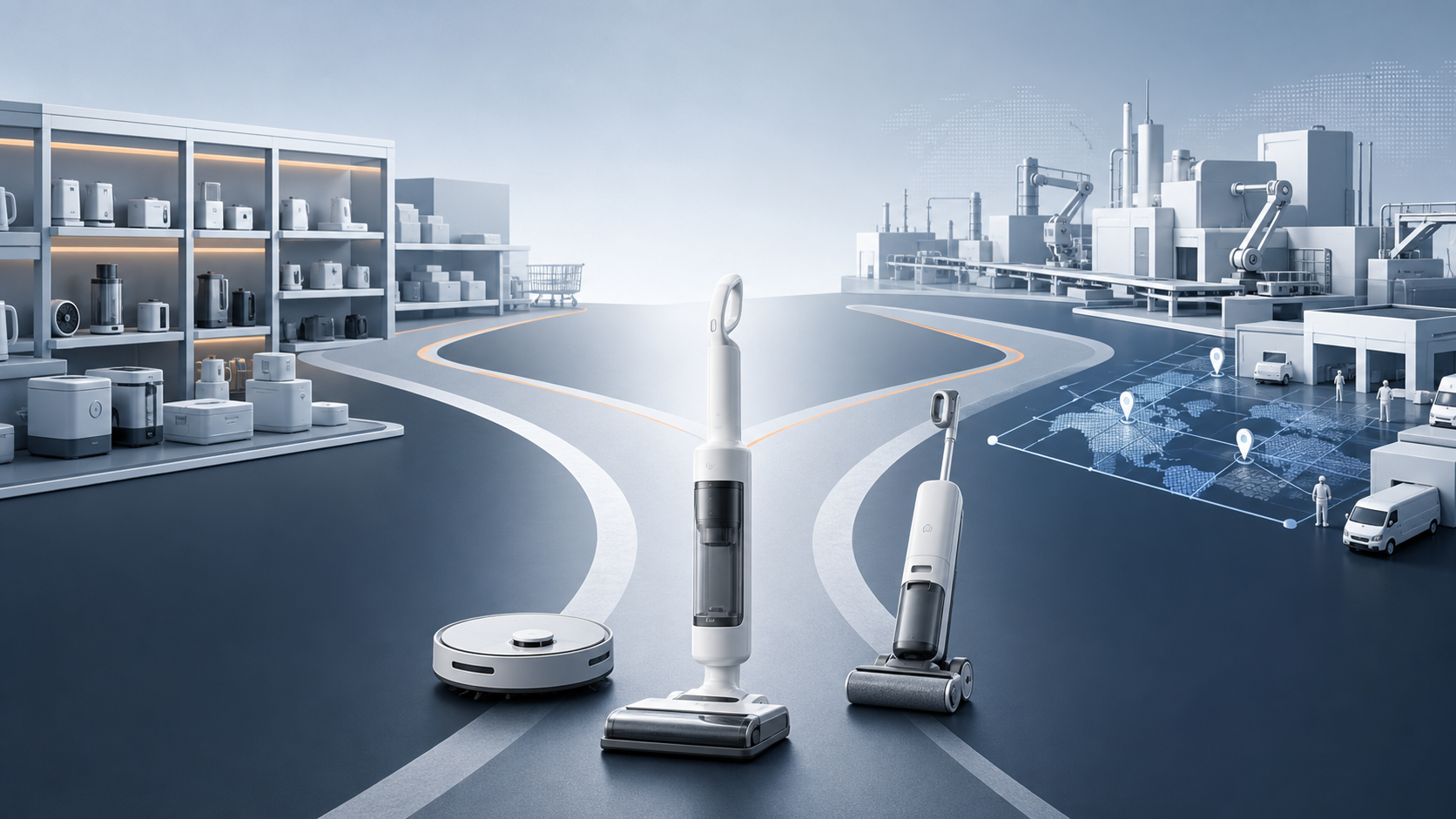
Floor washers changed the expectations
Around 2020, Tineco's wet-dry floor cleaner became one of the most important breakout products in China's cleaning appliance industry.
At that time, many companies looked at floor washers as a strategic opportunity. The mood across the industry was clear: if a company missed the next Tineco, it might miss the next major cleaning appliance cycle.
Capital followed. Large amounts of money entered the cleaning appliance industry, and the financing wave reached a high point when Dreame raised a major round.
Deerma was not simply testing the water. It invested seriously, built a research team in Suzhou and tried to move closer to the cleaning appliance supply chain and talent base.
That decision made sense. Suzhou is one of China's densest regions for cleaning appliance supply chains and R&D talent. Guangdong has a strong small appliance base, but robot vacuums and floor washers require different engineering and category experience.
Deerma's strategy was clear: use its familiar value-for-money method to attack the low-price floor washer market.
The strategy was logical, but the category was harder
At that time, Tineco and Dreame were mainly competing in higher price bands. Deerma launched several wet-dry floor cleaners at lower prices, including corded and wireless models.
The idea was not unreasonable. A lower price could help make the category more accessible and give Deerma a familiar competitive angle.
But cleaning appliances are easy to misunderstand from the outside. They look like small appliances, but they operate more like a complex hardware business with heavy R&D, heavy channel management, high after-sales exposure and long product iteration.
A wet-dry floor cleaner is not only a motor and a water tank. It has to handle dirty water, odor, brush cleaning, battery life, weight, sealing, noise, user maintenance and returns. The product is used in a wet and dirty environment, so small design weaknesses become daily complaints.
A robot vacuum is even more complex. Navigation, obstacle avoidance, mopping, docking, firmware, app experience, spare parts and after-sales reliability all shape the real user experience.
Low price can open the door. It cannot solve all these problems.
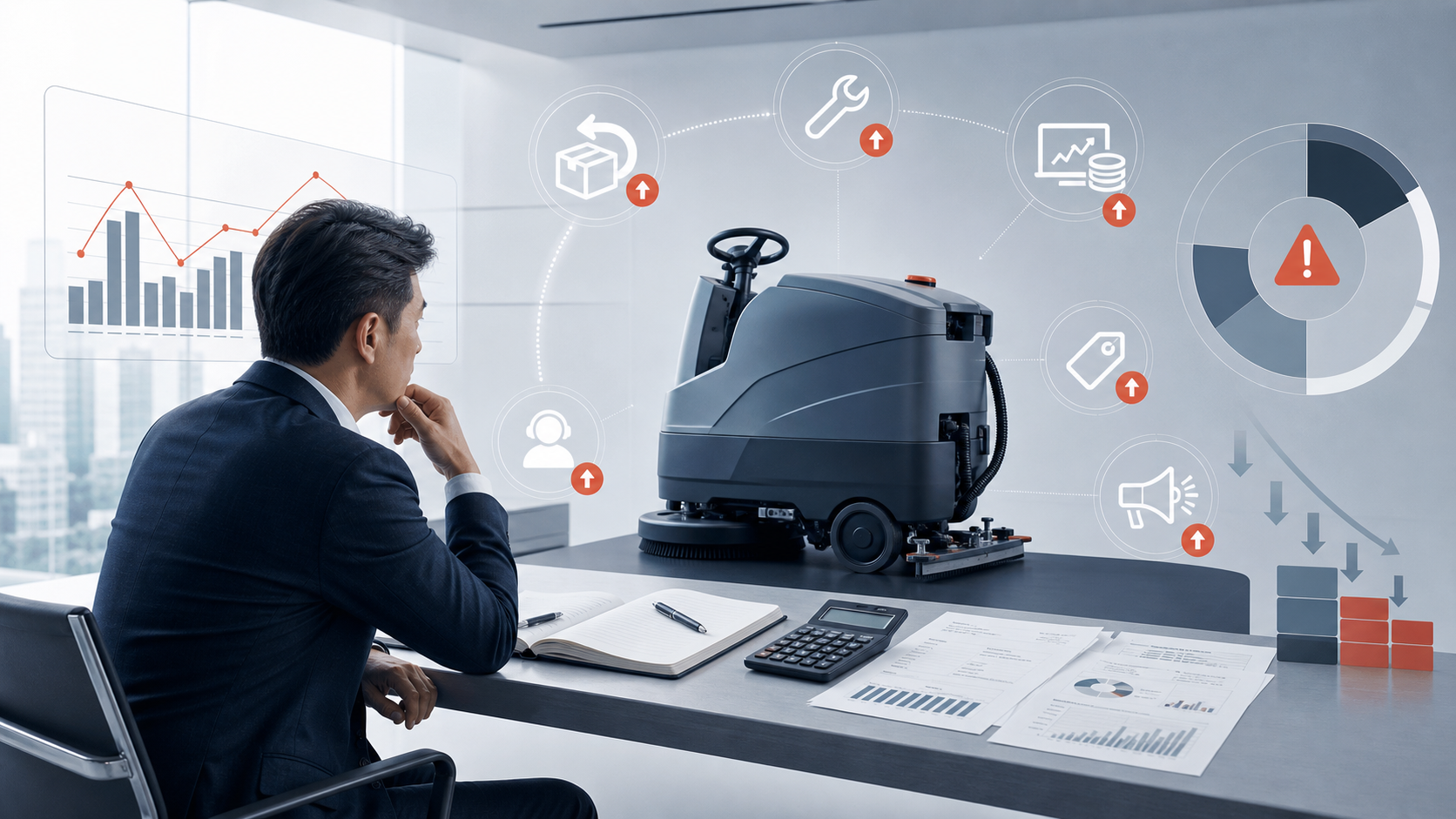
Category trust is different from traffic
Deerma's challenge shows that cleaning appliances require more than online traffic and supply chain efficiency.
In small appliances, a product can often win if it is attractive, cheap and good enough. In floor washers and robot vacuums, the product must work repeatedly under messy conditions. If it fails, the consumer does not only complain about a feature. They question the brand's reliability.
That makes after-sales control, service response, parts, repair logic and channel margin more important.
It also makes brand positioning more important. In a crowded cleaning appliance market, consumers need a reason to trust the product. A low price is a reason to try, but not always a reason to stay.
This is the gap between small-appliance logic and cleaning appliance logic.
What Chinese cleaning appliance companies should learn
Deerma's story should not be read only as one company's difficulty. It is a category lesson.
When a cleaning appliance category becomes hot, many companies enter because they see a breakout product and a large market. But floor washers, robot vacuums and other intelligent cleaning products require more patient capability building than ordinary small appliances.
The winning company needs product definition, R&D depth, supply chain execution, channel discipline, after-sales systems and brand trust.
Value-for-money still matters. But in cleaning appliances, it cannot be the only strategy.
The companies that survive the next cycle will not simply be the ones that make the product cheaper. They will be the ones that make a complex product reliable enough, clear enough and profitable enough to scale.